Learning from the World’s Greatest Harmonic Traditions
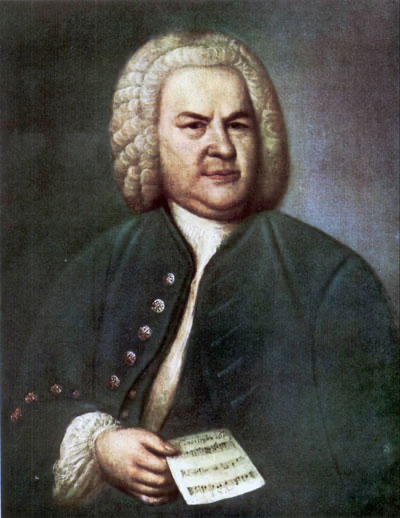
The Greatest Composer of them All - J.S. Bach
The European Classical Music Tradition
As the 21st Century dawns, a new classical music based on concord and the harmonic laws of nature is emerging. In the Harmony Division, we study the great works of the European harmonic tradition, a repertoire that was created by some of our greatest composers and was subsequently polluted during the 20th century by the discords of the so-called innovations called “atonality” and “serial music”. It’s back to the basics now and time to discover the greatest music in this tradition and how we can learn from it. (Don Robertson)
Five Composers
Five Periods of Composition Represented by Five Composers
1 –Giovanni da Palestrina and the great composers of Renaissance sacred music. A very, very important harmonic music tradition!
2 –Johann Sebastian Bach – The greatest of all composers – The master of counterpoint and harmony
3 –Ludwig van Beethoven – The master of the great Romantic Era: his predecessors Mozart and Haydn along with the other great composers of the 19th century Romantic Era.
4 –Richard Wagner – The still-misunderstood master of music-drama.
5 –César Franck – The angelic music of France’s greatest composer and the work of his students has been in near-complete hibernation during the reign of the 20th century’s destructive discords and is awaiting a 21st-century rebirth, when this healing music will be desperately needed.
The Study of Harmony
Learning from the Masters
The European harmonic tradition began at the beginning of the 10th century and developed century-by-century, enhanced by the greatest musical minds of Western classical culture. The harmonic idiom was not fully explored by other cultures that developed melody and rhythm instead. During the 20th century, the European harmonic tradition evaporated into discord and noise as greed systematically began destroying nature, art, and finance. The 21st century has a new agenda! The discords of 20th century music will fade away as the young composers of tomorrow turn instead to concord and to the great music given to us by the musical masters who have left us with their blueprints: their printed musical scores. These, instead of textbook rules, will now (thanks to 21st-century digital distribution technology) provide the tools for the creation of the classical music of the 21st Century.
Index for the Harmony Division of the iUniversity
Section One The Sacred Music of the Fifteenth Century – – >