The iUniversity

Section  Eight

Classical Music of the Romantic Era

Ludwig van Beethoven (1770-1827)
The Father of the Romantic Era

Around 1803, Beethoven said to Wenzel Krumpholz: “I am not satisfied with the works I have written so far. From now on I am taking a new path”

     When Beethoven composed his third symphony, the Eroica, he created one of the greatest turning points in the history of music. Up to the time of this great work, Beethoven’s work was stylistically in the vein of the music of the time, a style led by Mozart and Hadyn, among others. In 1804, when the Eroica was first private performed, Beethoven issued in a new era of music: The Romantic Era. Never before had music such as this ever been played. It was filled with joy, rapture, sadness, emotions never before expressed in music. This was a clear voice of greatness beginning to speak.

Beethoven’s New Music (1803)

There is no dispute, Beethoven is one of the very greatest composers who ever lived. His music is among the most important music ever written, and it will continue to thrive as a vital organ in the culture of Planet Earth.

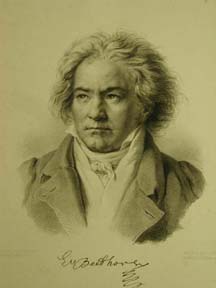
     Beethoven, born in Bonn, Germany, was the second-oldest child of the court musician and tenor singer Johann van Beethoven who drilled him on the piano to help him become a child prodigy. Ludwig first performed publicly when he was eight years old. At age 11, he began study with organist and court musician Christian Gottlob Neefe. 
     In 1792 he moved to the musical center of Vienna and took lessons from Schenck, Albrechtsberger, Salieri, and Haydn. By 1795 he become well known as a pianist. He was particularly admired for his brilliant improvisations.
     Several years later, Beethoven realized that he was having difficulty hearing. He withdrew into increasing seclusion from the public and from his few friends and eventually became deaf. 
     Around 1803, Beethoven said to Wenzel Krumpholz: “I am not satisfied with the works I have written so far. From now on I am taking a new path.” The result was his third Symphony, the Eroica.
     It is difficult to envision today the tremendous effect that Beethoven’s music had on the society in Vienna during his day. The introduction of this symphony, the Eroica, created a great turning point in the history of music. Up to the time of this great work, Beethoven’s music was stylistically in the vein of the music from the previous century, that of Mozart and Hadyn among others.
     The Eroica Symphony was performed, at first privately, in 1804. Beethoven’s music issued in a new era of music: the Romantic Era. Never before had there been such music, filled with joy, rapture, and sadness in a manor not expressed before in music. This was a clear voice of greatness beginning to speak and to move on to further glory.
     Beethoven’s fifth Symphony was first performed four years later, in 1808. A remarkable work of power, strength, and grandeur, while the wonderful sixth symphony, featured in the Disney movie Fantasia, is a healing journey of gentleness and pastoral beauty.
      Beethoven’s piano sonatas and concertos are among the very greatest compositions ever written for piano. Among the finest are the Appassionata, the temptest, the Pathetique, and the Hammerklavier. Beethoven’s two masses, the Masses in C and D, the latter known as the Missa Solemnis, are great works of Art. The earlier Mass in C is beautiful, but the latter in D is a powerful work of spiritual grandeur, the likes of which have never been equaled by another composer. Beethoven’s last utterances, the great “late” string quartets and piano sonatas were not understood by his contemporaries. They are personal reflections of the deepest kind.

Quotations from Ferdinand Ries

Beethoven’s Student

Beethoven’s Favorite Composers

“Among all composers, Beethoven thought most of Mozart and Handel, and next came Bach. When I found him with music in his hand or saw some lying on his desk, it was sure to be a composition by one of these heroes.”

Those Forbidden Perfect Fiths

“Once, while out walking with him, I mentioned two perfect fifths, which stand out by their beauty of sound in one of his earlier violin quartets, in C minor. [These were forbidden by music theoreticians] ….’Well, and who has forbidden them?’ he said. Since I did not know how I was to take his question, he repeated it several times until, much astonished, I replied ‘It is one of the fundamental rules.’ Again he repeated his question, whereupon I said: ‘Marburg, Kirnberger, Fuchs, etc., etc,. all the theoreticians!’ ‘And so I allow them!” was his answer.'”

Beethoven’s Temper

“At times Beethoven was extremely violent. On day, at noon, we were eating dinner in the Swan Tavern when the waiter brought him the wrong dish. No sooner had Beethoven remarked about it and received a somewhat uncivil reply, than he took up the platter — it was calf’s lights with an abundance of gravy — and flung it at the waiter’s head. The poor fellow as carrying a whole slew of other portions, intended for other guests, on his arm. The gravy ran down his face, and he and Beethoven shouted and abused each other while all the other guests burst into laughter. Finally, looking at the waiter — who looked so comical licking up the gravy that trickled down his face, attempting to curse, but having to lick instead — Beethoven burst out laughing himself.”

Seibelt’s Challange

“When Steibelt, the famous piano virtuoso, came from Paris to Vienna, in all the glory of his fame, several of Beethoven’s friends were afraid that Beethoven’s reputation would be injured by the newcomer. Steibelt did not visit Beethoven; they met for the first time in the home of Count Fries, where Beethoven gave his new Trio in Bb Major, Opus 11. Steibelt listened to it with a certain condescension, paid Beethoven a few compliments and felt assured of his own victory. He then played a quintet he had composed and improvised; his tremelondos, at that time a novelty, made a great impression on the listeners. Beethoven could not be induced to play again. 

“Eight days later there was another concert at Count Fries’ home. Seibelt again played a quintet with much success and then improvised a brilliant fantasy for which he had chosen the identical theme developed in the variations of Beethoven’s trio! This roused the indignation of Beethoven and his admirers. 

“When it came time for Beethoven to play, he seated himself at the piano to improvise, which he did in his usual, I might say unmannerly, fashion — flinging himself down at the instrument as though half-pushed. As he moved toward the piano, he took up the violoncello part of Steibelt’s quintet, purposely put it on the piano-rack upside-down, and then drummed out a theme from its first measures with his fingers. Then, now that Steibelt has been definitely insulted and enraged, Beethoven improvised in such a way that Seibelt left the room before Beethoven had finished, refusing ever to meet Beethoven again, and even made it a condition that Beethoven was not to be invited where his own company was desired.”

Videos

Composers of the Romantic Era

Germany and Austria

Lorem ipsum dolor sit amet, consectetur adipiscing elit. Ut elit tellus, luctus nec ullamcorper mattis, pulvinar dapibus leo.

Composers with Recommendations 

Germany 
     Ludwig van Beethoven (1770-1827)
           Everything
     Johannes Brahms (1833-1897)
           Clarinet Quintet
     Felix Mendelssohn (1809-1847)
           Violin Concerto
     Robert Schumann (1810-1856)
           Piano Quintet
           Piano Concerto
Austria
     Anton Bruckner (1824-1896)
           Symphonies 
           Masses 
     Franz Schubert (1797-1828)
           Symphonies
           Masses

Mendelssohn and Schumann in Leipzig 

Photos by Don Robertson (2007)

Felix Mendelssohn (1809-1847)

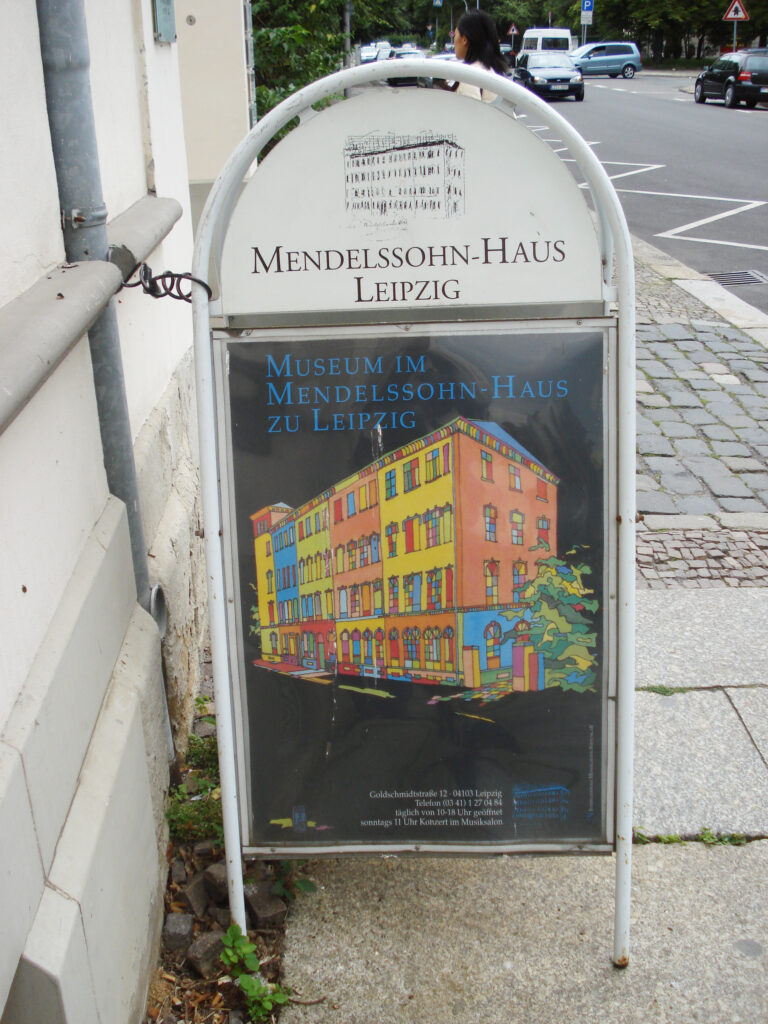
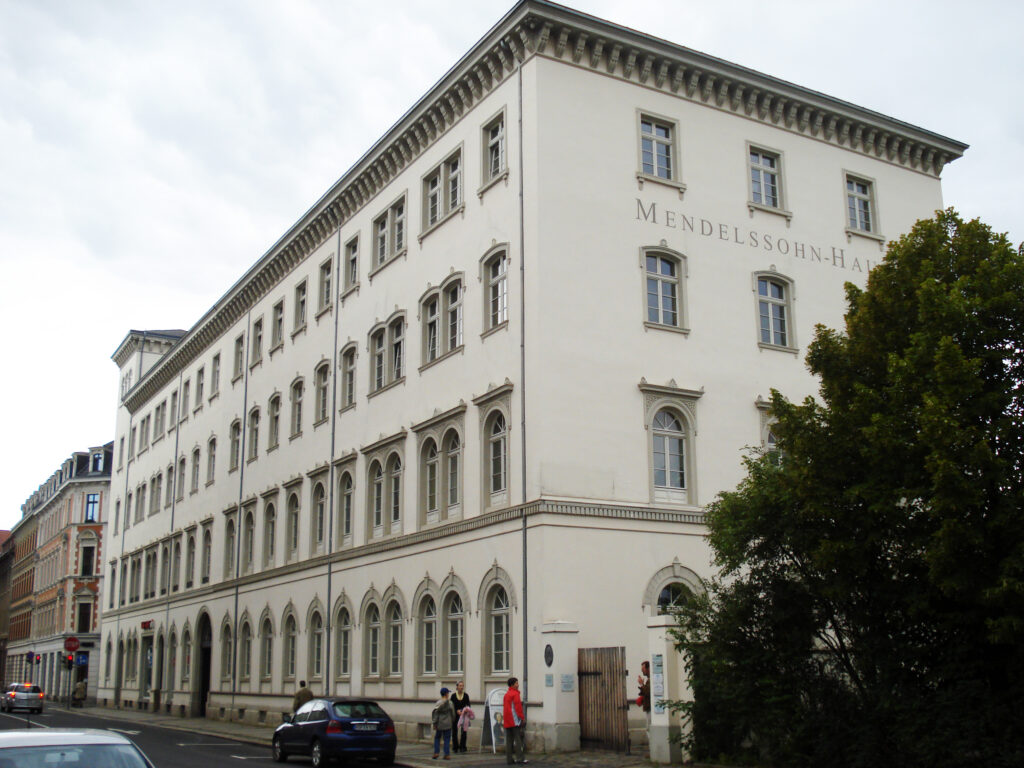
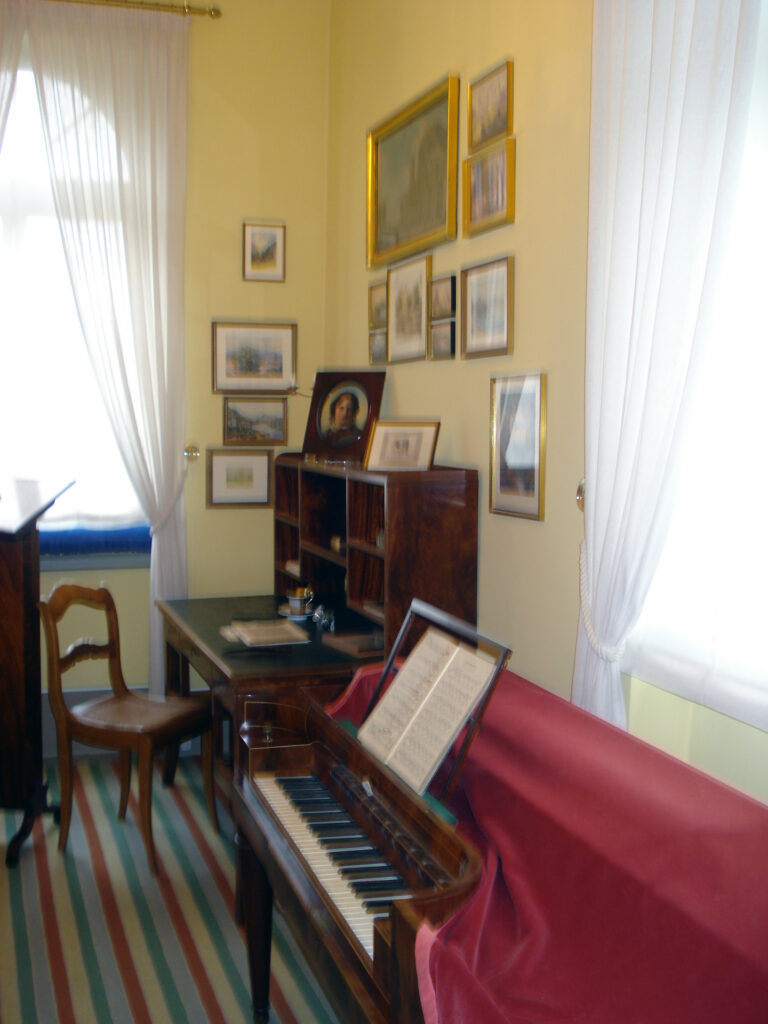
The Mendelssohn-Haus in Leipzig, Germany, is the former home and last surviving residence of composer Felix Mendelssohn Bartholdy. Located at Goldschmidtstraße 12, the 1844 building features a preserved, historically restored apartment (Beletage) where Mendelssohn lived and died, now operating as a museum dedicated to his life, work, and family.

Robert Schumann (1810-1856)

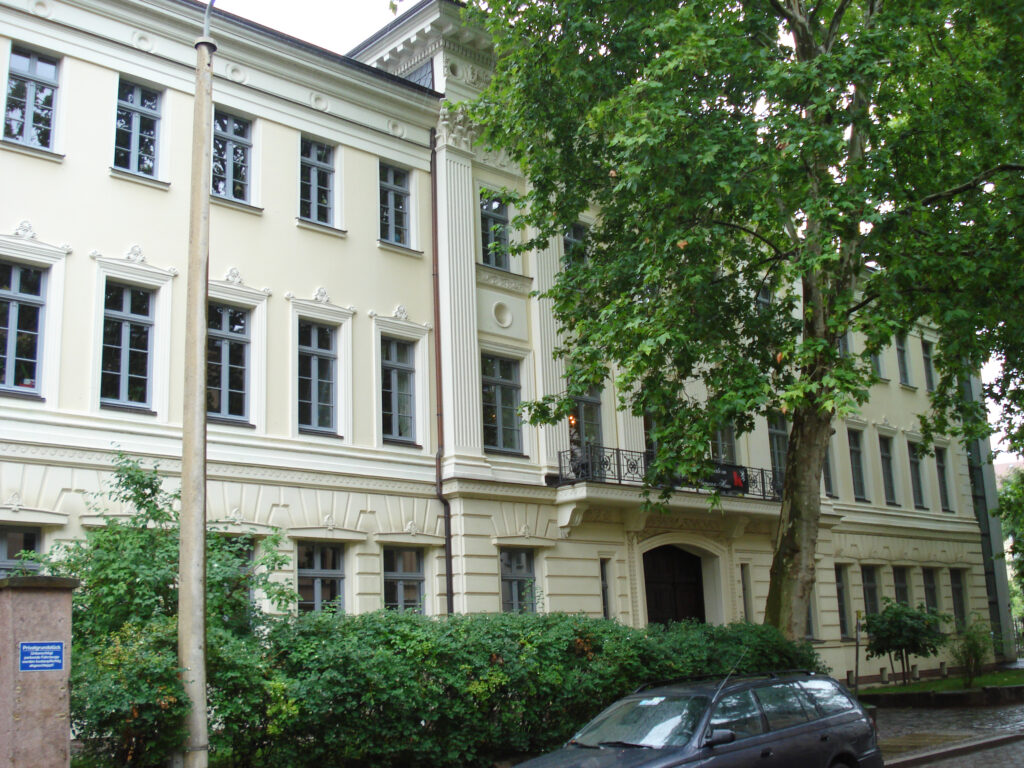
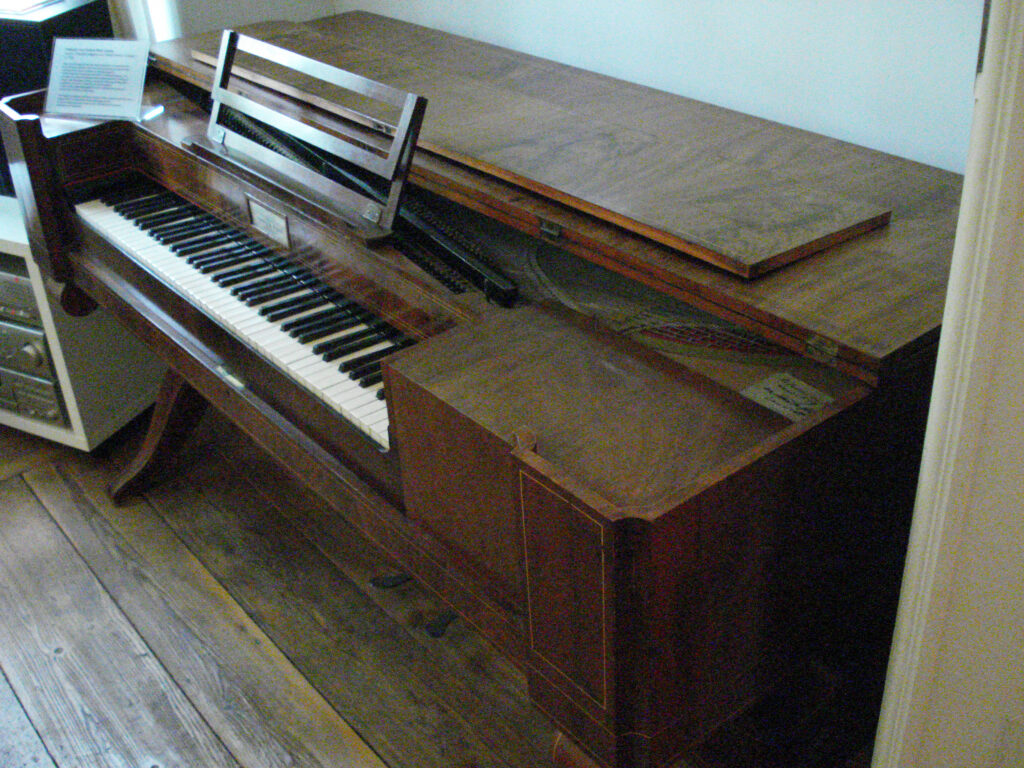
The Schumann-Haus Leipzig is a museum and cultural site located in the former home of the famous composer couple Robert and Clara Schumann. Situated at Inselstraße 18, it is the classicist building where the couple lived for the first four years of their marriage, from 1840 to 1844. The Tafelklavier (table piano) with the sign Pianoforte-Magazin von Friedrich Wieck Leipzig was from Clara Sschumann’s father’s piano shop in Leipzig.

Scores

Ludwig van Beethoven - Symphony No. 3 Page One
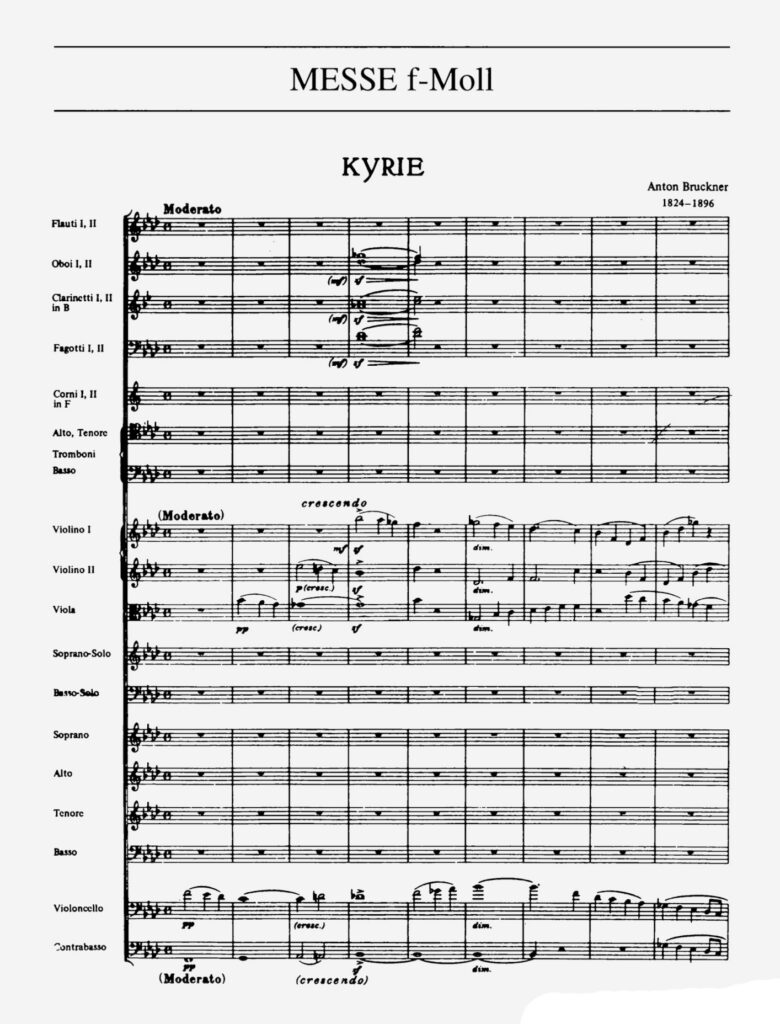
Anton Bruckner - Mass No. 3 Page One

Orchestra

MO-001 – Beethoven Symphonies No. 1 and 3 (256 pages)

MO-002 – Beethoven Symphonies No. 5 and 6 (286 pages)

MO-003 – Beethoven Symphonies No. 7 and 9 (375 pages)

MO-004 – Beethoven Masses (400 pages)

MO-005 – Schubert Unfinished Symphony and Masses in G and Ab (216 Pages)

MO-006 – Four Great Romantic Concertos (310 pages)
      Mendelssohn, Beethoven, Schumann

MO-007 – Bruckner Symphonies No. 1 and 2 (281 pages)

MO-008 – Bruckner Symphonies No. 4 and 7 (250 pages)

MO-009 – Bruckner Mass No. 3 (248 pages)

Piano

MP-003 – Six Beethoven Piano Sonatas (180 pages)

Chamber

MT-001 – Beethoven String Quartets Volume 1 (210 pages)

MT-002 – Beethoven String Quartets Volume 2 (200 pages)

MT-003 – Romantic Era Chamber Music (294 pages)

Videos

Ludwig van Beethoven

Franz Schubert

Anton Bruckner

The Great Russian School

The Russian Romantic Era in 19th-century classical music was a passionate, nationalistic movement that blended Western compositional forms with Russian folk music, history, and literature. It thrived on high emotionality and dramatic expression, featuring two main branches: nationalist composers (“The Five”) and more Western-oriented composers like Pyotr Tchaikovsky. The composers called “The Five” were Mily Balakirev, Alexander Borodin, Modest Mussorgsky, Nikolai Rimsky-Korsakov, and César Cui.

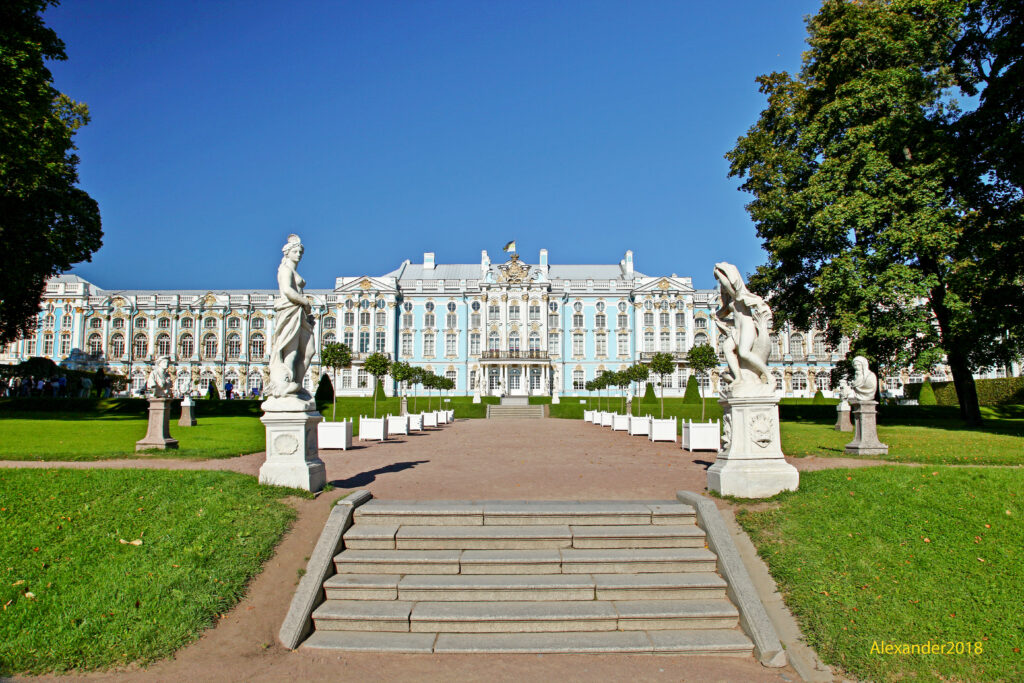
Catherine Palace, Moscow

Composers with Recommendations 

Mikhail Glinka (1804-1857)
     Kamarinskaya
Alexander Borodin (1833-1887)
     Polovtsian Dances
     In the Steppes of Central Asia
     String Quartet No. 2
     Symphony No. 2
Sergei Rachmaninov (1873-1943)
     Piano Concerto No. 2
     Symphony No. 2
Alexander Scriabin (1872-1915)
     Piano Concerto
     Symphonies 1,2 & 3
Pyotr Ilyich Tchaikovsky (1840-1893)
     Violin Concerto
     The Nutcracker
     Swan Lake
     Sleeping Beauty
     Romeo and Juliet
     Symphony No. 6
Mily Balakirev (1837-1910)
     Islamey
     Tamara  
     The Lark

Rimsky-Korsakov (1844-1908)
     Scheherazade
     Russian Easter Overture 
     Capriccio Espagnol   
Igor Stravinsky (1882-1971)
     The Firebird Suite (1919 Version)
Alexander Glazunov (1865-1936)
     Symphonies 
Dimitri Kabalevsky (1904-1987)
     Piano Concerto No. 3
Vasily Kallinikov (1866-1901)
     Symphony No. 1
Nicolai Medtner (1880-1951)
     Piano Concerti No. 1 & 2
Sergei Bortkiewicz (1877-1952)
     Piano Concerti
     Violin Concerto Op. 22
Sergei Taneyev (1856-1915)
     Oresteia Overture, Op. 6
     Piano Concerto in Eb Major
Sergei Lyapunov (1859-1924)
     Ballade for Orchestra Op. 2
Anatoly Lyadov (1855-1914)
     Kikimora, Enchanted Lake

Videos

Scores

Borodin - Polovtzian Dances - Page One
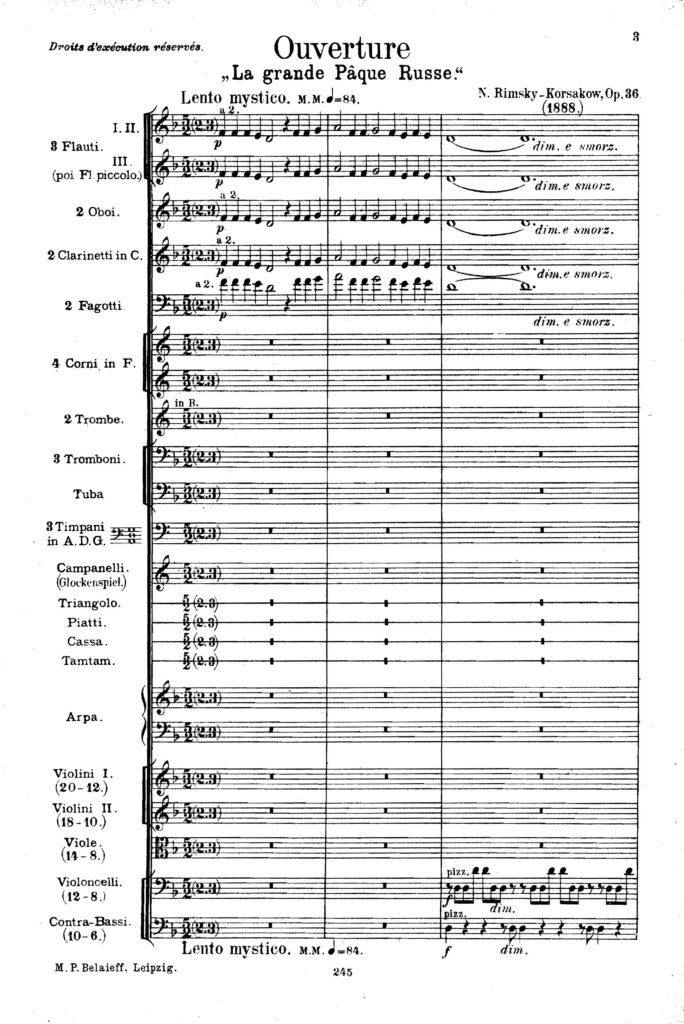
Rimsky-Korsakoff - Russean Easter Overture
Page One

MO-010 – Russian Fantasy (204 Pages)
      Borodin – Polovtzian Dances
      Rimsky-Korsakoff – Russian Easter Overture 

MO-011 – Scriabin Symphonies No. 1 and 4 (230 Pages)

MO-012 – Alexander Scriabin Symphony No. 2 and Reverie (200 Pages)

MO-013 – Alexander Scriabin Symphony No. 3 Divine Poem (207 Pages)

MO-100 – Rachmaninoff Symphony No. 2 and Piano Concerto No. 2 (345 pages)

MO-101 – Vasily Kallinikov – Symphony No. 1 (209 pages)

MO-102 – Russian Orchestral Treasures (285 pages)
      Borodin -Symphony No. 2
      Stravinsky – Firebird Suite (1919)
      Lyadov – Enchanted Lake
      Lyadov – Kikimora

MP-004 – Alexander Scriabin Piano Book (104 Pages)

MP-005 – Alexander Scriabin  “Wings of Flight” (165 Pages)

Eastern Europe

Composers with Recommendations 

Czech Repubic
     
Antonin Dvořak (1841-1904)
            New world Symphony
            Cello Concerto
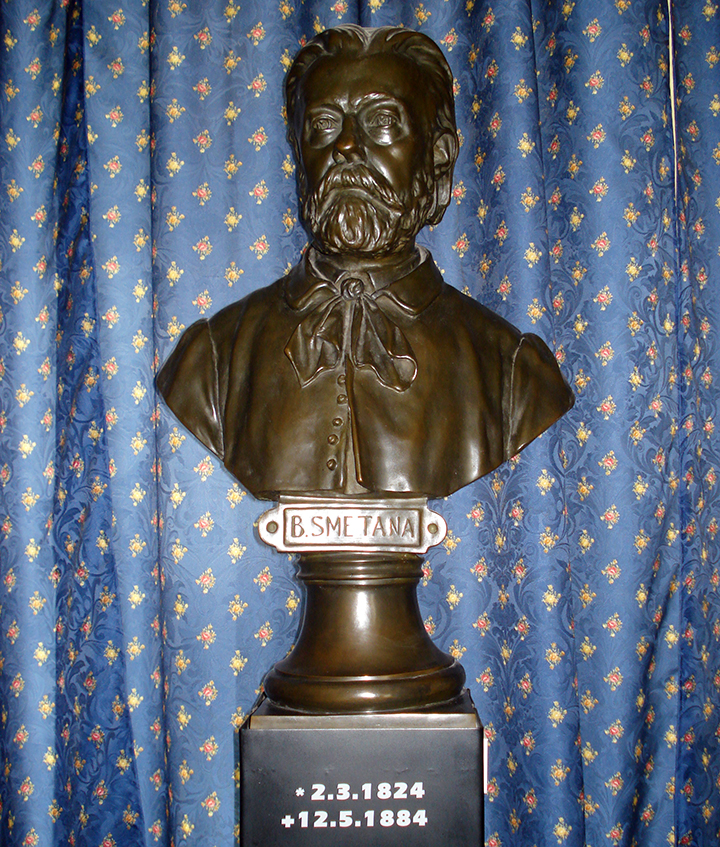
     Bedřich Smetana (1824-1884)
            Má Vlast
Romania
     George Enescu (1881-1955)
            Romanian Rhapsody No. 1 

Scores

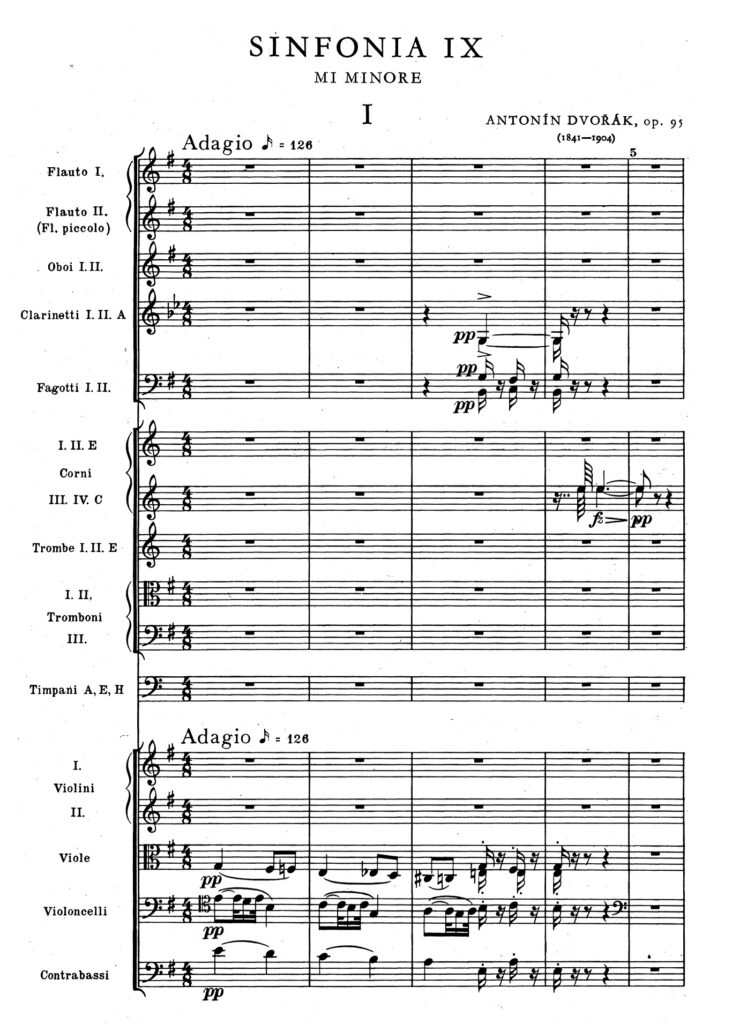
Antonín Dvořák - Symphony No. 9 (New World) Page One
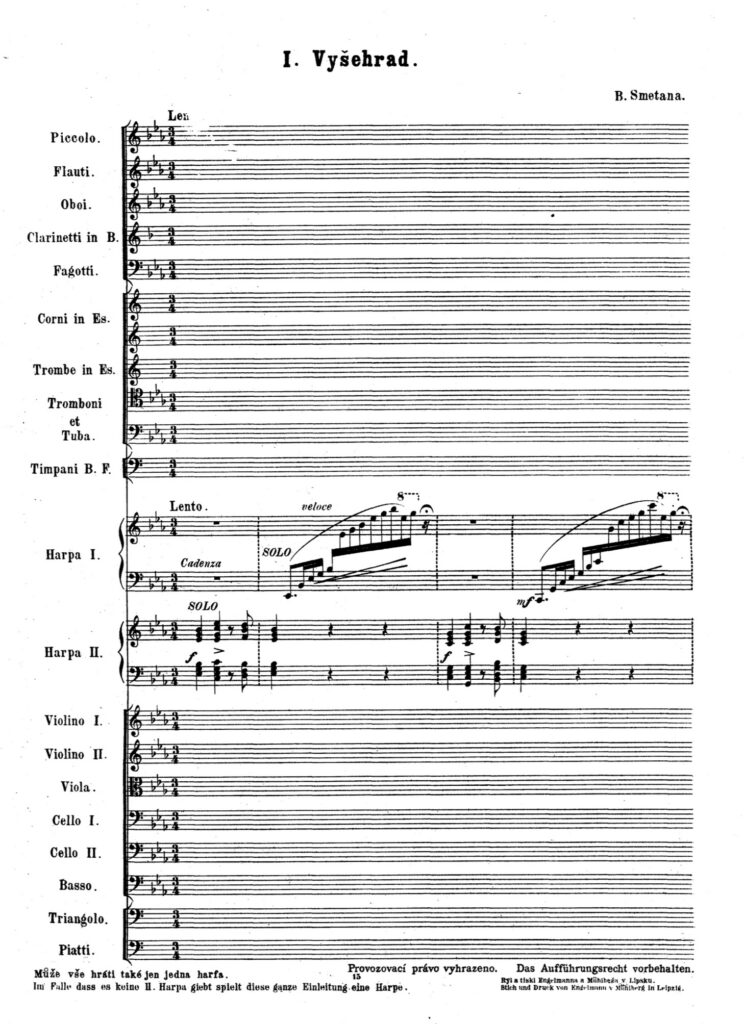
Bedřich Smetana - Má Vlast Page One

MO-014 – Antonin Dvorak New World Symphony and Cello Concerto (280 pages)

MO-015 – Bedřich Smetana – Má Vlast (438 pages)

Dvorak and Smetana in Prague 

Photos by Don Robertson (2007)

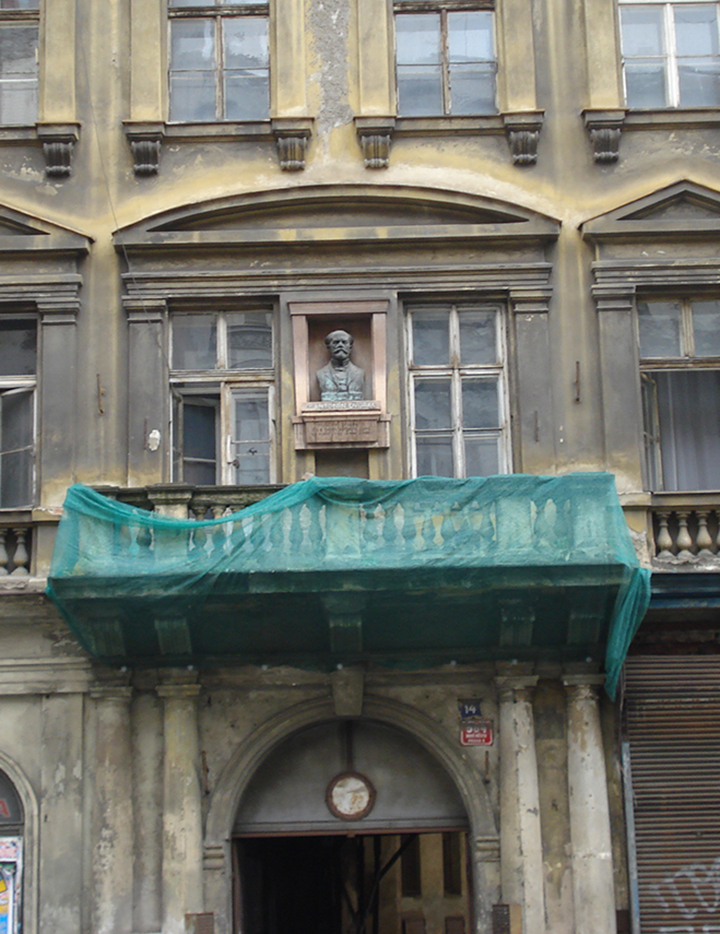
Antonín Dvořák (1841-1904)

Statue of Dvorak on his former apartment
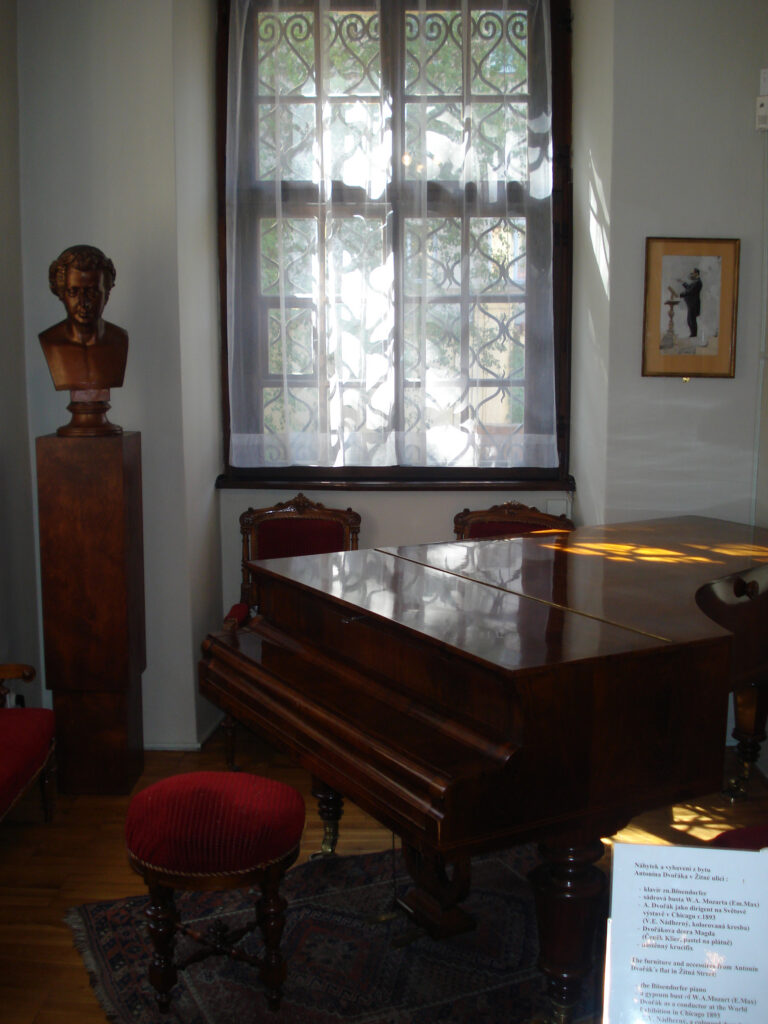
Dvorak's Piano

The Antonín Dvořák Museum in Prague is a dedicated museum housed in the baroque “Amerika” summer villa, showcasing the life and work of the renowned Czech composer Antonín Dvořák (1841–1904). Located in the New Town, Prague, it features his personal items, manuscripts, and piano. It is a branch of the National Museum.

Bedřich Smetana (1824-1884)

Statue of Smetana
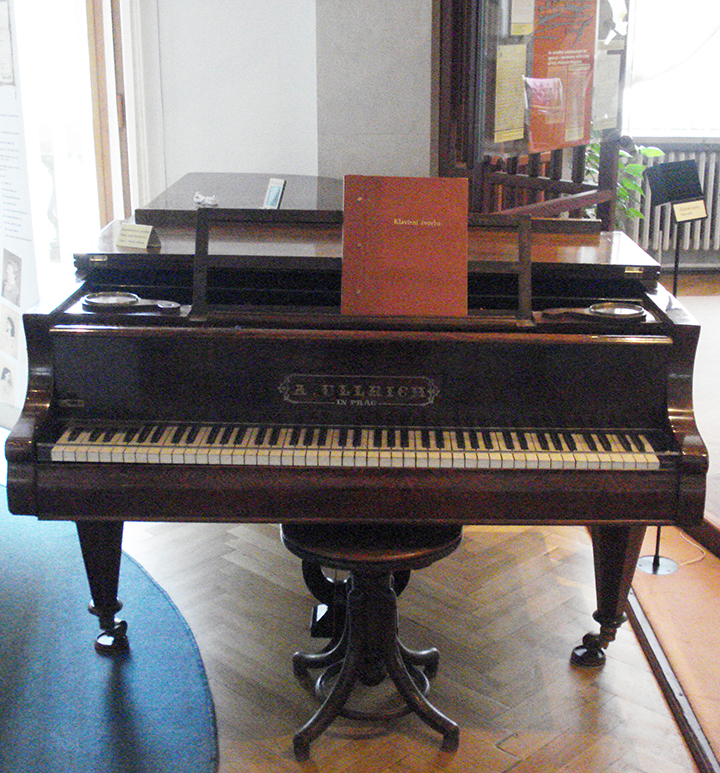
Smetana's Piano

The Bedřich Smetana Museum in Prague is a dedicated museum documenting the life and work of the renowned 19th-century Czech composer, situated in a striking neo-Renaissance former waterworks building on the Vltava River bank near the Charles Bridge. It offers a rich collection of personal items, including his piano, musical manuscripts, and interactive audio exhibits about his famous works.

Videos

Scandanavia

Composers with Recommendations 

Finland
     Jean Sibelius (1865-1957)
          En Saga, The Swan of Tuonela
          Symphonies 2,5,6
          Violin Concerto          
Denmark
     Carl Nielsen (1865-1931)
           Symphony No. 2
           Violin Concerto
Norway
     Edvard Grieg (1843-1907)
           Peer Gynt Suites 1 & 2
           Piano Concerto

Scores

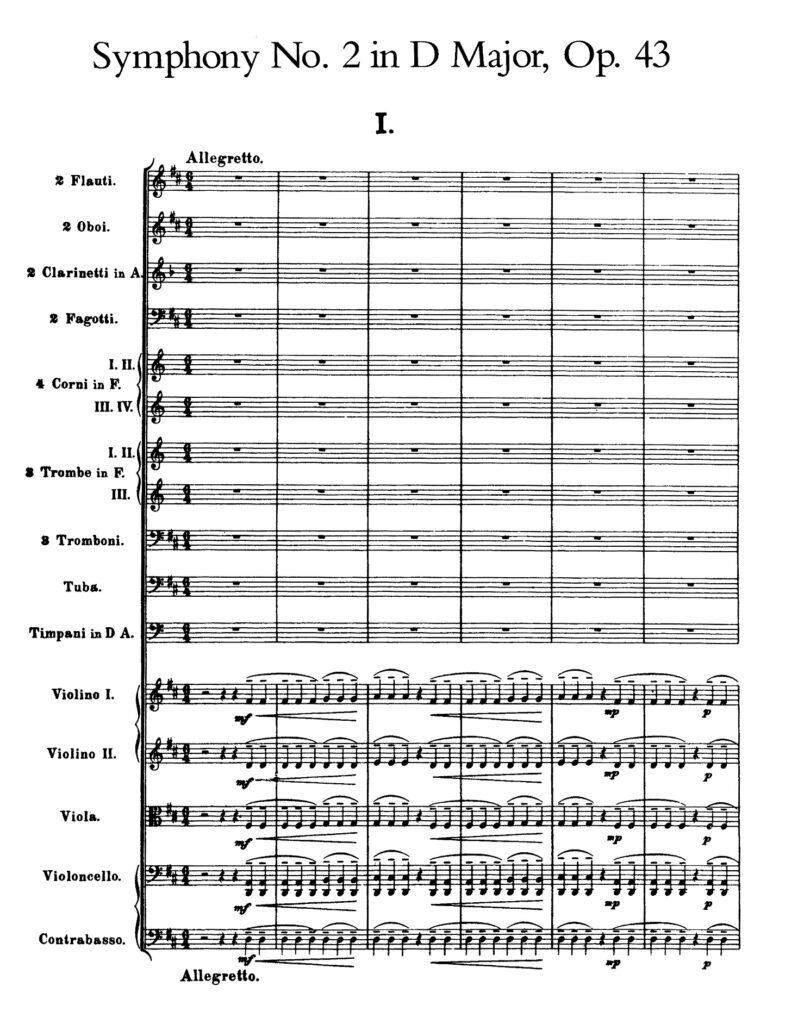
Jean Sibelius - Symphony No. 2 Page One
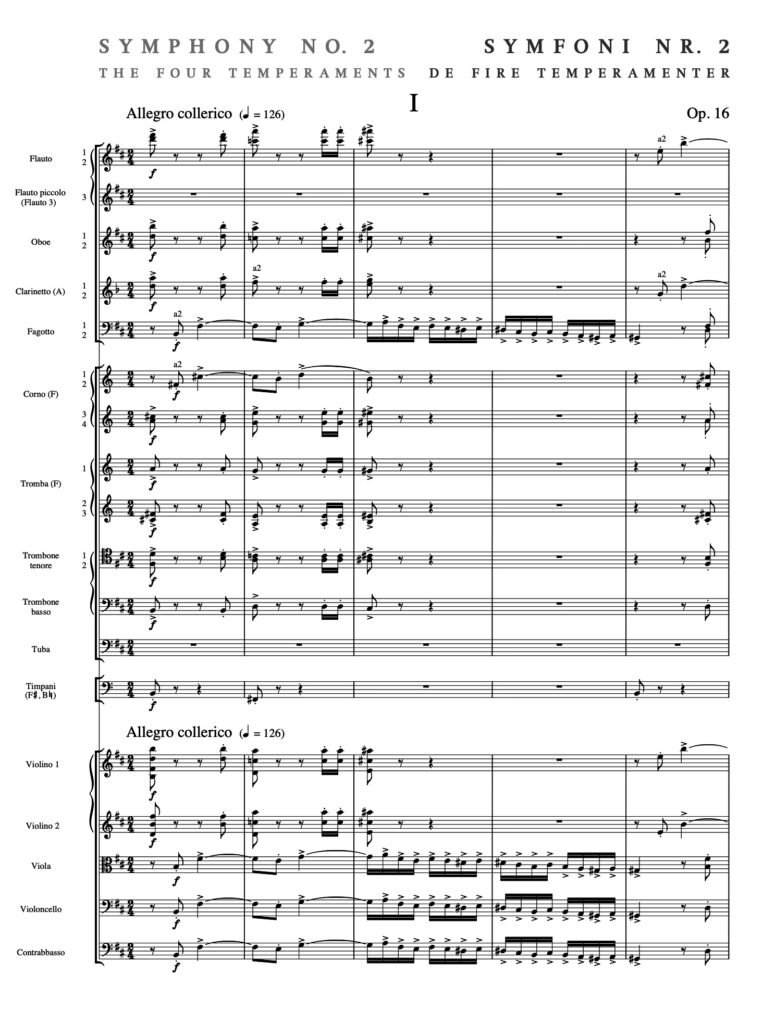
Carl Nielsen - Symphony No. 2 Page One copy

MO-016 – Jean Sibelius – Symphonies 2 and 5 and Violin Concerto (244 pages)

MO-017 – Carl Nielson Violin Concerto and Symphony No. 2 (266 pages)

Videos

Read about Sibelius on Musical Kaleidoscope – – >

Other

Scores

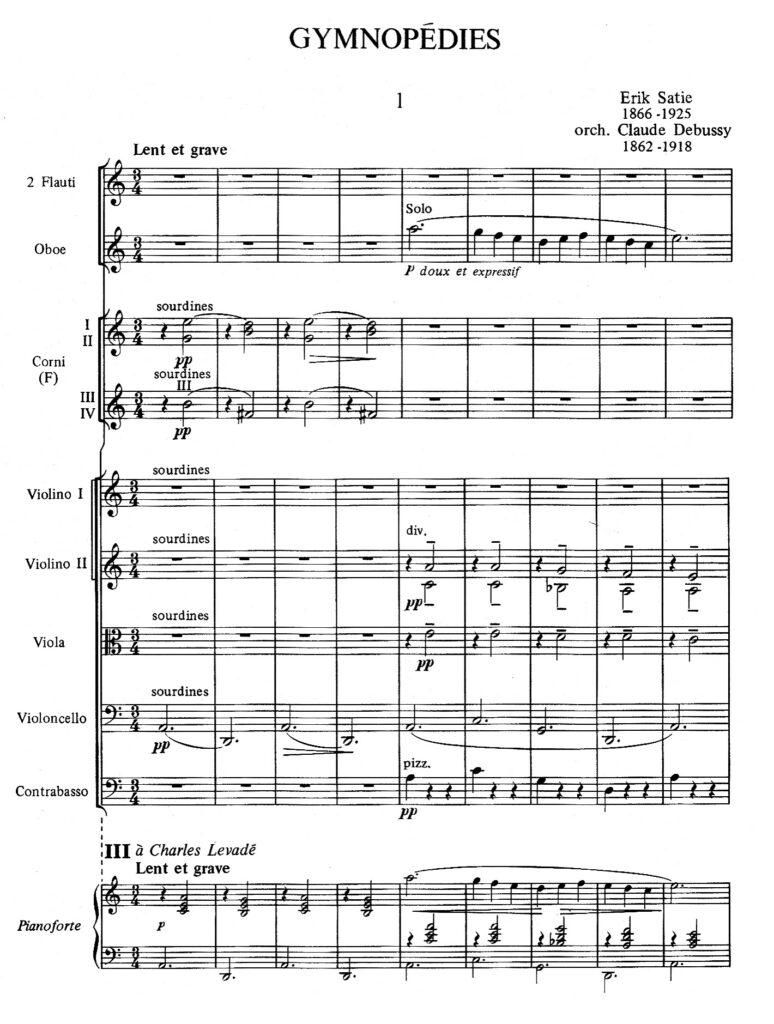
Eric Satie - Gymnopédie 1 (orchestrated by Debussy) Page One
Gustav Holst - The Planets Page One

MO-018 – Light Classical Music (230 pages)
      Satie – Gymnopedies (arr. Debussy)
      Brahms – Hungarian Dance No. 1 (arr. Brahms)
      Brahms – Hungarian Dances 5 and 6 (arr. Parlow) 
      Grieg – Peer Gynt Suite – Morning Mood
      Grieg – Peer Gynt Suite – Intgrid’s Lament
      Gounod – Nubian Variations from Faust
      Gounod – Mirror Variations from Faust
      Delibes – Waltz from Copellia
      Delibes – Czardas from Copellia
      Reznicek – Dona Diana Overture
      Ponchielli – Dance of the Hours     

MO-019 – Two Romantic Piano Concertos (150 Pages)
      Grieg Piano Concerto
      Scriabin Piano Concerto

MO-108 – Gustav Holst – The Planets (191 Pages)

MT-004 – Romantic String Quartets (200 Pages)
      Franck String Quartet (60 Pages)
      Borodine String Quartet #2 (36 Pages)
      Debussy String Quartet (50 Pages)
      Ravel String Quartet (47 Pages) 

Study Scores

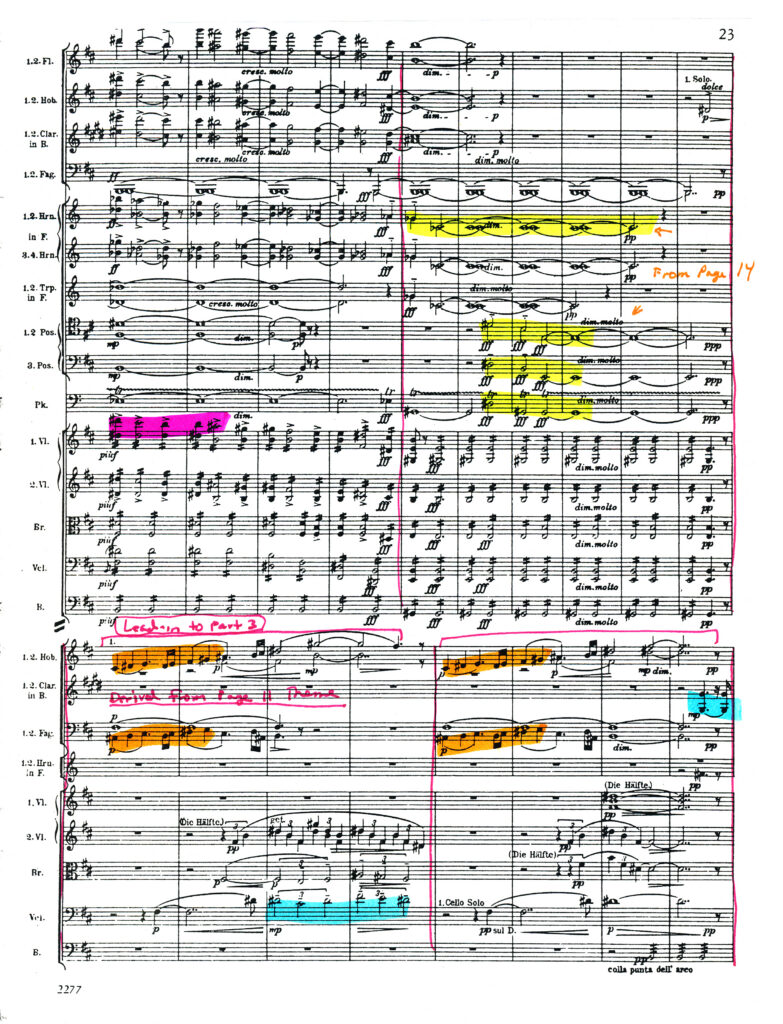
Sibelius Violin Concerto 1st Movement Study Page 23
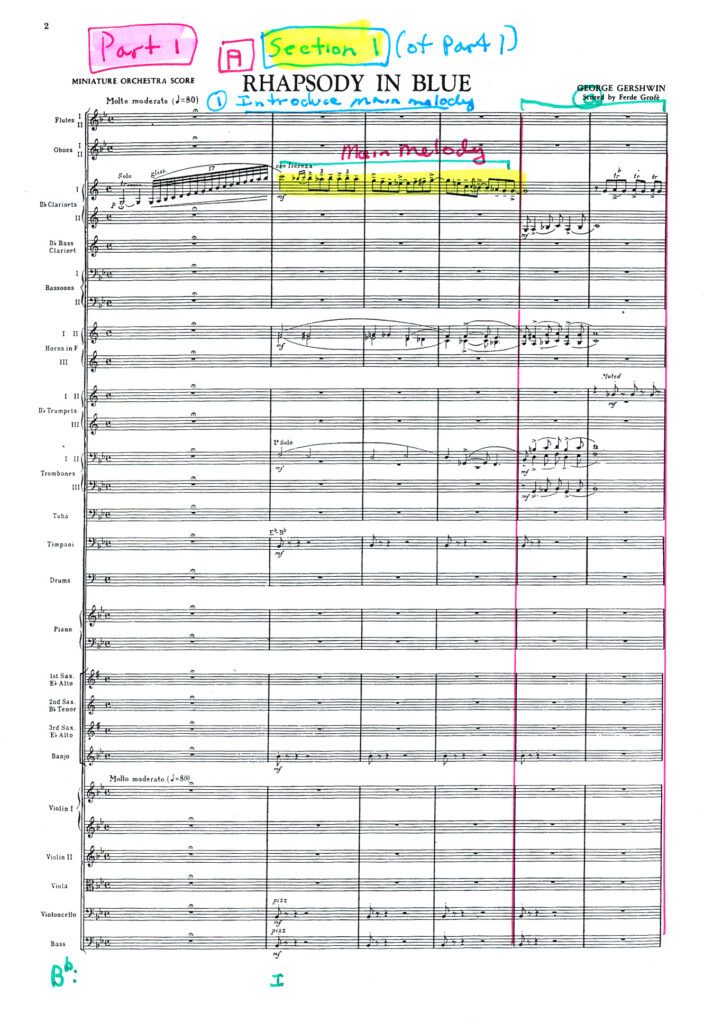
George Gershwin - Rhapsody in Blue Study Page 1

MX-003 – Sibelius Violin Concerto First Movement Study (31 pages)

MX-004 – Hanson Symphony No. 2 “Romantic” Movements 2 and 3 study (128 pages)

MX-005 – Barber VIolin Concerto First and Second Movements Study (50 pages)

MX-006 – Korngold Violin Concerto Movements 1 and 2 Study (55 pages)

MX-007 – George Gershwin – Rhapsody in Blue Study (50 Pages)

Book Reprints

Ornamentik in Beethovens Klavierwerken - Heinrich Ehrlich
Nouveau traité d’instrumentation by François-Auguste Gevaert

Ludwig van Beethoven

BR-001 – Beethoven by Paul Bekker

BR-002 – Ludwig van Beethoven by Theodor von Frimmel

BR-003 – Beethoven and His Nine Symphonies by George Grove

BR-004 – Beethoven et ses trois style par Wilhem von Lenz (1852)

BR-005 – Beethoven’s Nine Symphonies – Analytical Essays by George Grove(1888)

BR-006 – Beethoven’s Ninth Symphony by George Grove (1882)

BR-007 – La Sordita di Beethoven by Guglielmo Bilancioni (Italian)

BR-008 – Beethovens Missa solemnis by Wilhelm Weber (1908)

BR-009 – Beethovens musik der Zukuntt

BR-010 – The Letters of Ludwig van Beethoven Volume 1

BR-011 – The Letters of Ludwig van Beethoven Volume 2

BR-012 – Beethoveniana by Gustav Nottebohn (1872)

BR-013 – Zweite Beethoveniana by Gustav Nottebohn (1887)

BR-014 – Revisionsbericht Ludwig van Beethoven

BR-015 – Ornamentik in Beethovens Klavierwerken by Heinrich Ehrlich

Other Composers

BR-016 – Brahms – Ein Deutsches Requiem by Carl Beyer

BR-017 – Brahms by Walter Niemann (1920)

BR-018 – Personal Recollections of Johannes Brahms by George Henschel (1907)

BR-019 – Elgar by Ernest Newman (1922)

BR-020 – Franz Schubert by Richard Heuberger (1902)

BR-021 – Schuberts Werke – Revisionsbericht (1890-1894)

BR-022 – Die Symphonie Anton Bruckners by August Halm (1914)

BR-023 – Franz Liszts Kirchenmusic by Eugen Segnitz (1911)

BR-024 – Jean Sibelius by Walter Niemann (1917)

BR-025 – Chopin – The Man and His Music by James Huneker (1918)

BR-026 – Weber by Hippolyte Barbedette (1862)

BR-027 – Robert Schumanns Krankheit by Paul Julius Möbius (1906)

BR-028 – Robert Schumanns Gesammelte Schriften über Musik und Musiker – English translation (1877)

BR-029 – Robert Schumann by Hermann Abert (1903)

BR-030 – Robert Schumanns Briefe (1886)

BR-031 – Glinka by Octave Fouqué (1880)

BR-032 – My Musical Life by Nikolay Rimsky-Korsakov (1926)

BR-033 – Rimsky-Korsakof by M. Montagu-Nathan (1917)
Books on Orchestration

BO-001 – Grand traité d’instrumentation et d’orchestration modernes by Hector Berlioz

BO-002 – Orchestration by Cecil Forsyth

BO-003 – Technique de l’orchestre moderne by Charles-Marie Widor (in English)

BO-004 – Principles of Orchestration by Nikolay Rimsky-Korsakov

BO-005 – Nouveau traité d’instrumentation by François-Auguste Gevaert (1885)

BO-006 – Choral Orchestration by Cecil Forsyth (1920)

Videos