
The Musical Kaleidoscope Story
by Don Robertson
Use these buttons to choose:
The Years 1971 Through 2022
This is Part Two of the continuing story of my journey leading to the Musical Kaleidoscope project. Part Two begins with my discovery of the glorious sacred music of the Renaissance in 1971.
Don Robertson
1971 - Renaissance Sacred Music
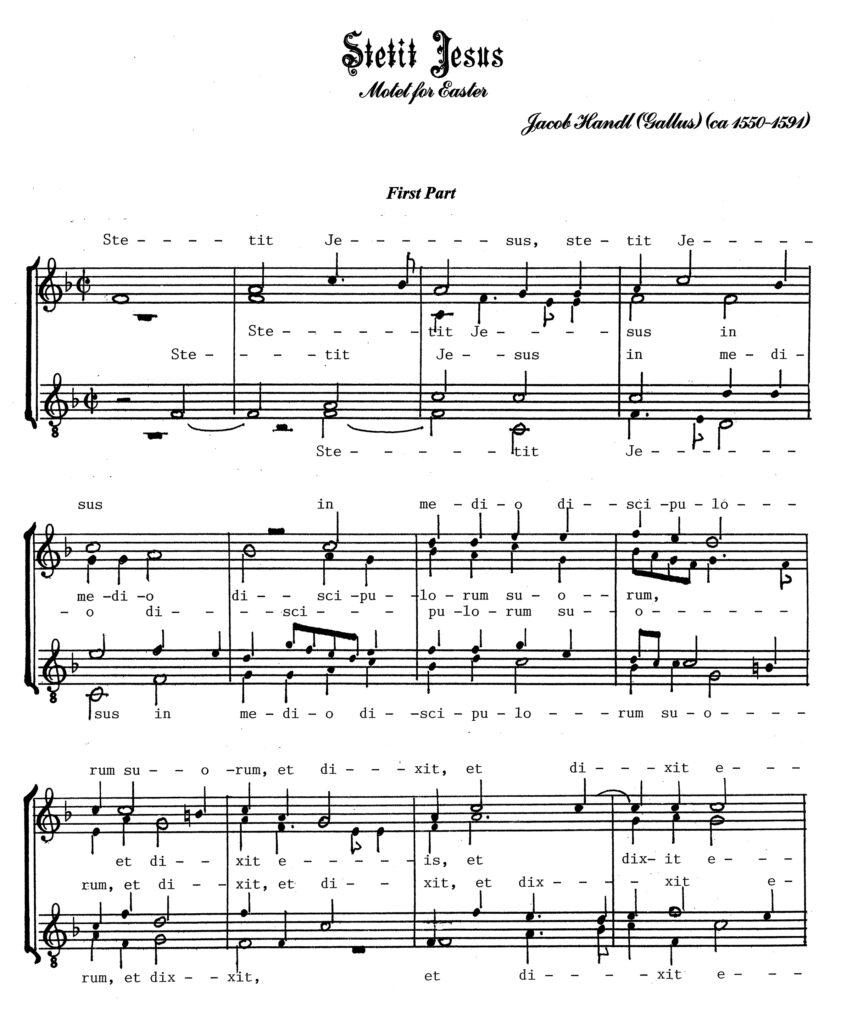
It was 1971 and I was living in San Francisco and had been listening to my recordings of the sacred cantatas of Johann Sebastian Bach. One night, I had a dream. In this dream I heard a voice telling me that Bach was a very great composer, but other great composers had lived before his time.
In the dream, I was shown an album cover with the name Palestrina written on it. I had known about the music of the 16th century Italian composer from my music studies at Colorado University, but I had never considered it worth listening to and neither had the faculty, caught up in “modern music”.
I took this dream seriously. I checked out a Palestrina record from the public library and began daily listening sessions. Finally, I realized what Palestrina’s amazing music was all about, and I was astounded by the beauty of this great music. I simply had to get my head out of what I was familiar with and reach a state of attunement with music from the 16th century!
I embarked upon a three-decades-long project, researching Renaissance sacred music and Gregorian chant. I acquired every available recording and searched for scores, which, unfortunately, were not available commercially. My search for original manuscripts of this music led me to some of our great university libraries, where I spent hours in front of copy machines, collecting important musical scores, and then, using a drafting table, I began recopying these scores into modern notation.
Watch
Renaissance Follow-Along Score Videos
HERE
1972 - Gregorian Chant
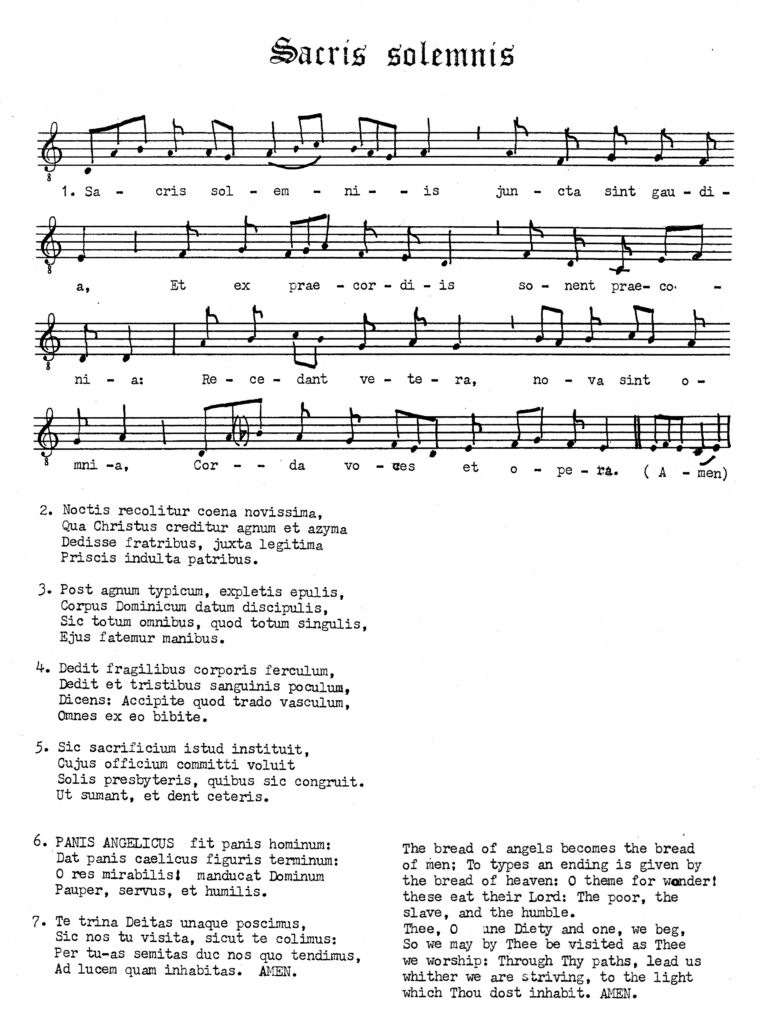
My intensive study and research of the sacred music of the Renaissance naturally led me to Gregorian chant, the basis of 16th-century sacred music. I had loved listening to Gregorian chant since the first time that I heard a recording of it in a music appreciation course at Colorado University in 1965 – the course where I had first heard Renaissance sacred music.
After searching for months, I finally found a bookstore in Los Angeles that had a copy of a rare book called the Liber Usualis – a liturgical book of commonly used Gregorian chants compiled by the monks of the Abbey of Solesmes in France, first published in 1898. With this book, I was able to learn many chants and understand how they were used as a part of the Roman liturgy. I immediately began transforming chants into modern notation for publications I hoped to publish in the future.
Watch Gregorian Chant Score Videos
HERE
Visit Gregorian Chant in the Musical Kaleidoscope Library HERE
1974 - Richard Wagner
In 1974, I discovered the music of the 19th-century German composer Richard Wagner. Despite my university and Juilliard music training, I had fallen victim to the false ideas about this composer that had flooded mass thinking since when he was alive: that he was a terrible person who hated Jews. After listening to the prelude to the opera Lohengrin that describes the angelic descent of the holy grail, I undertook a two-year research project, reading and collecting a cabinet of books and studying the German language. Richard Wagner is not only one of our greatest composers, but a great music dramatist. His works penetrated powerful emotional and spiritual barriers. His incisive rhetoric infuriated many who were intrenched in stilted ideas about art and man, and thus he became the enemy that many describe him as today. Wagner was a huge influence on the artistic movement in France known as impressionism and on the music of the composer Alexander Scriabin, both of whom I will describe next.
Learn about Wagner in the Musical Kaleidoscope Library HERE
1975 - Alexander Scriabin
I discovered the music of the Russian composer Alexander Scriabin in 1974. Recordings of his music, with only a few exceptions, were very difficult to find, and scores were nowhere to be found. For the next few years, I will search for music and scores. Reading the excellent biography by Fabian Bowers, I understood that this composer’s interest in the connection of music with higher consciousness consumed him, and certain of his compositions, which are mostly for the piano, touched very special interior realms. However, in some of his compositions, he ventured into dark places, and so I began sorting out the compositions that I accepted from those that I would not. To this day, it is mostly the piano music of Alexander Scriabin that I like to practice when I am enjoying playing music by other composers. I wrote a book about Scriabin in 1979, and I almost finished it. It remains unfinished to this day.
Watch Alexander Scriabin’s Symphonies 1 – 3
HERE
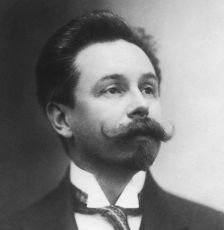
Russian Composer
1976 - César Franck
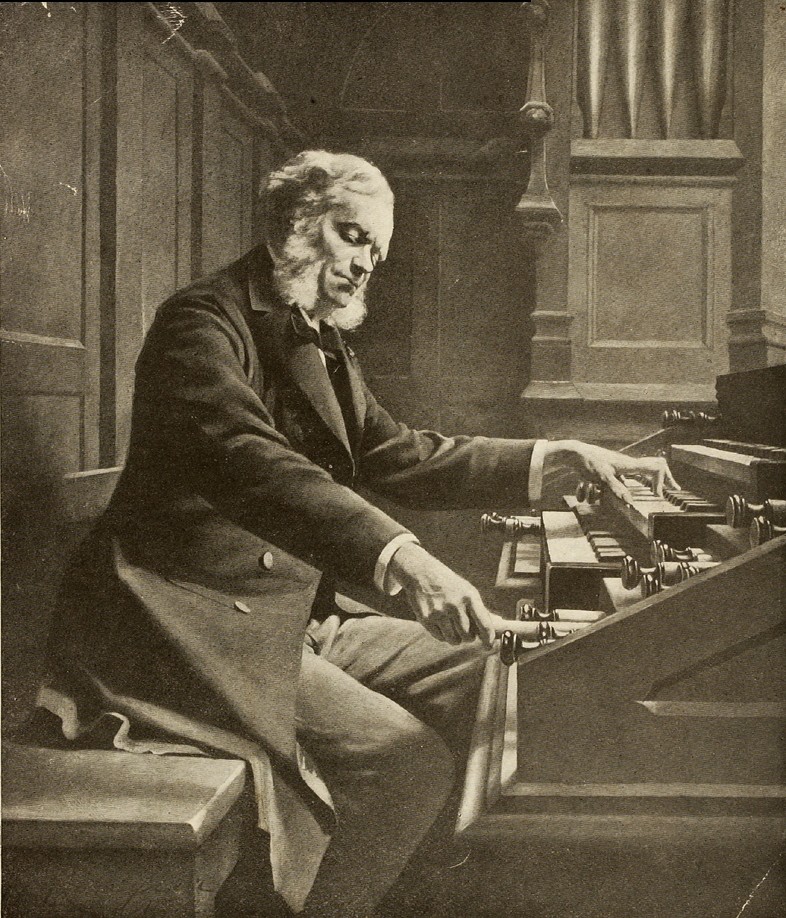
The Great French Composer
In 1976, I began searching for the music of the Belgian composer César Franck who moved to Paris when he was young. There were recordings for only a few of his works. However, I found vocal scores for two of his operas in the dusty stacks of a university library and copied them. I was astounded as I played the music. I had discovered another great composer who had been left by the wayside during the musically turbulent years of the 20th Century. When I heard that a nearly impossible-to-find recording of Franck’s Beatitudes was to be broadcast on a local FM station, I paid a professional sound engineer to record it from the radio for me. César Franck’s last great large-scale work, the opera Ghiselle, is today (2026) still unattainable in a recorded performance and performances are unheard of. César Franck is France’s greatest composer.
Watch Orchestral Music of César Franck HERE
Learn about the composers of the French Romantic Era HERE
1980 - The Celestial Ascent Album
During 1979, I met a man named Ethan Edgecombe who was selling records in the lobby of a concert by Joel Andrews, who performed healing music playing a harp. Ethan, as it turned out, became the first distributor of healing music, probably in the world. He encouraged me to record a cassette tape of the healing zither music that I had featured on my Dawn album. He would distribute it to stores. The resultant tape was called Celestial Ascent. It will be remastered and rereleased on an LP record in Italy on the Black Sweat label in 2015.
1980 - The Transformative Music Institute
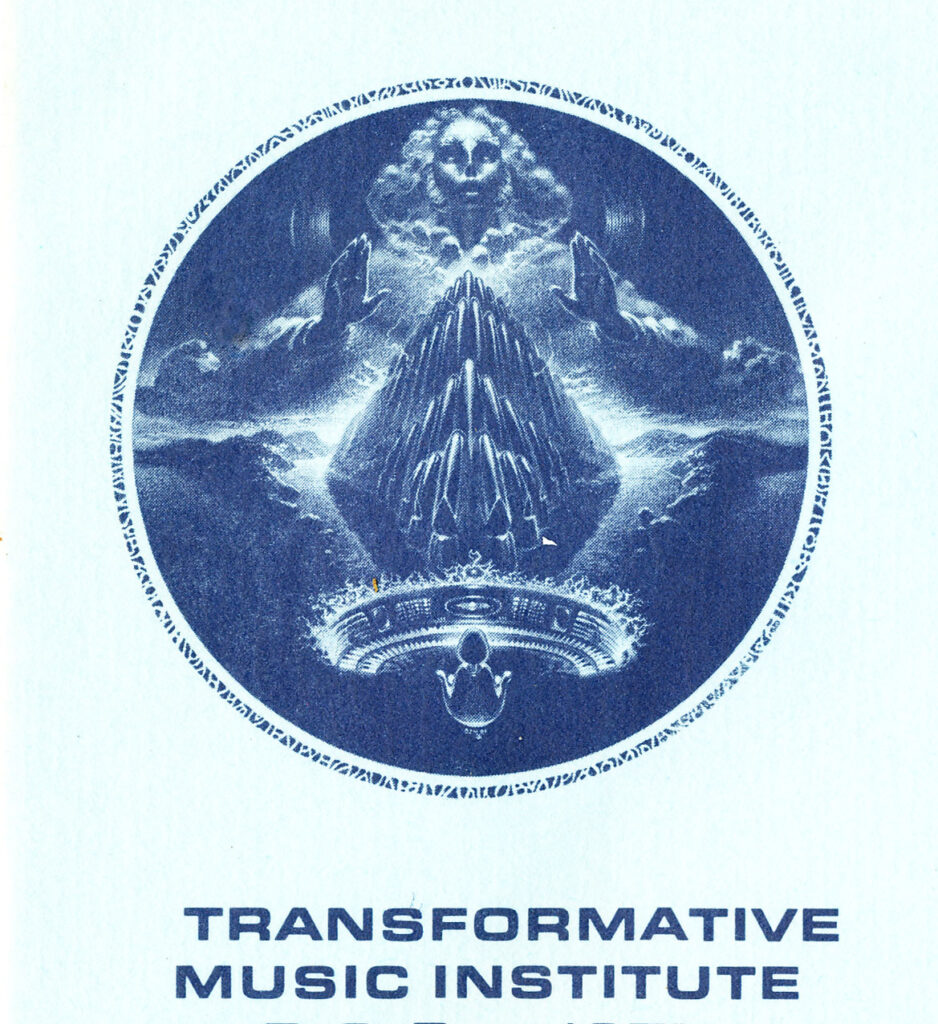
In 1980, after nearly a decade of studying Renaissance sacred music, Gregorian chant, Wagner, Scriabin and the French impressionist composers, I now embarked upon a mission to reach out and provide education about music and its connection with spiritual consciousness. I met my future wife Mary Ellen Bickford who was working with Norman Miller on their Rainbow Research Project. We began a three-year period of working together, beginning with three seminars that we held in the San Francisco Bay Area on the use of music and visual imagery for healing and upliftment, and I began giving lecture-demonstrations about positive and negative music, performing concerts of healing and uplifting music, playing my 80-string zither tuned to the pentatonic music scale (the notes C,D,E,G,A). All of this activity was a part of what I called at that time the Transformative Music Institute. Our logo was created by the late, legendary visionary artist Brian McGovern.
1980 - Concerts with Constance Demby
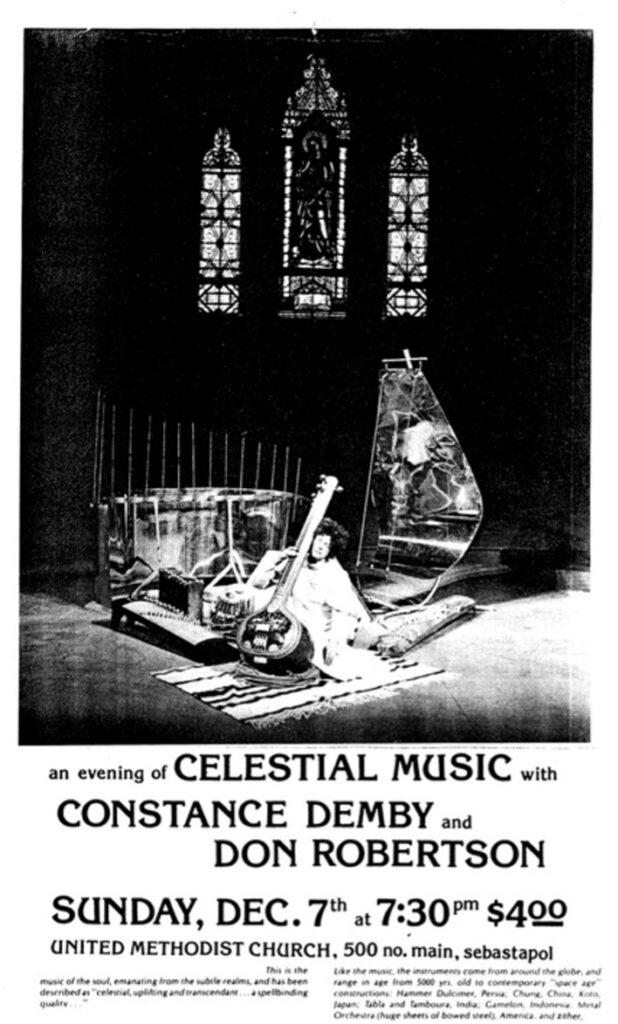
One day, when I was delivering some tapes to our distributor, Ethan Edgecombe, I met a woman named Constance Demby. She had recently moved to California from the East Coast and had just released an album on cassette tape. She and I performed together in a number of concerts.
Listen to the December 7th, 1980 Concert
Part 1 – Constance Demby
Part 2 – Don Robertson
1980 - The Birth of Musical Kaleidoscope
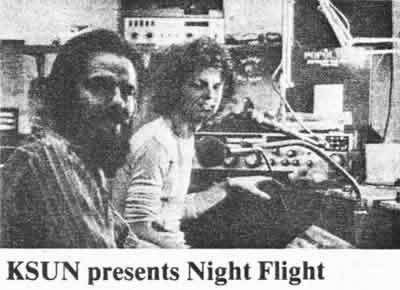
In 1980, when I was living in Santa Rosa, California, I co-produced a radio show called Night Flight that was broadcast on radio station KSUN from Sonoma State College. It was on this show that I first experimented with the Musical Kaleidoscope idea – bridging the gap between musical cultures and eras. The show was broadcast for about six months. My co-producer used the name “Jerry Jupiter”.
Excerpt from “Night Flight” Nov 29, 1980
1980-1981 - Solo Performances
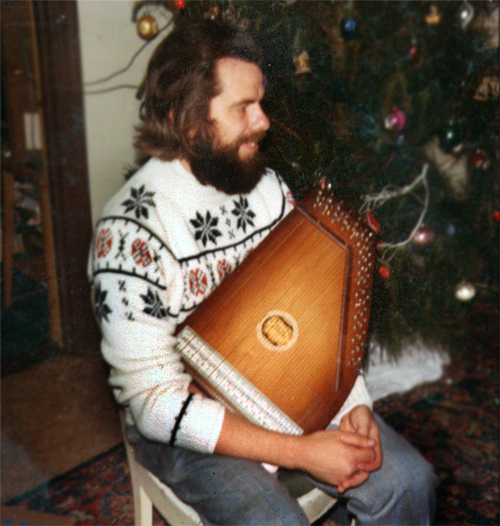
During the years 1980 and 1981, I performed and recorded solos and duets with other artists, improvising on my zither and the piano.
Zither with Stephen Coughlin 1980
Piano Improvisation 1980
Piano Improvisation May 3, 1981
Piano Improvisation May 7, 1981
Piano Improvisation 1981
Aeoliah playing my string synthesizer
1981 -The Resurrection Album
In the fall of 1980, I created a home recording studio and began composing new music with what I was calling my digital orchestra: a Minimoog synthesizer, a Roland string synthesizer, an Oberheim Mini Sequencer, and a TEAC 8-track tape recorder. In my new home studio, I created an album called Resurrection. Ethan Edgecombe distributed the cassette tape, and it was very well received in Europe and Australia, reaching the “Electronic Music Top 20 Chart” in a British magazine and inspiring an English musician named Clifford White to create an album called Ascension that sold over 50,000 copies.
1982-1986 - The Anthem Album
While working on recording my album Resurrection, I was simultaneously sketching ideas for an orchestral work that I hoped to somehow create using synthesizers in my studio. The music was flowing into my mind, and as I heard it, I wrote it down on music manuscript paper. I began recording some of the music, but I did not have the capability to record all of the music for the album. I continued to work on Anthem, as I called it, for four years before I finally had a recording, which I released in 1986.
1982 - The Starmusic Album
"A Masterpiece of Synth Music"
Lotus Catalog, England
I knew that the two synthesizers that I had used for creating my Resurrection album would not be adequate for my future endeavors, including the Anthem album that I wished to record.
I wanted to upgrade my studio with newer and more capable equipment. And so, I purchased a fabulous new, cutting-edge instrument called the Synclavier II digital musical instrument, and with it, I recorded an album that I called Starmusic.
My friend Stephen Hill of the Hearts of Space radio program helped me mix the album, and I sold perhaps 25,000 cassettes over the next few years. The album was featured frequently on Stephen Hill’s Hearts of Space radio show on NPR and on other nationwide radio programs as well. An additional track will added to the original album in my 1999 CD release.
“Celestial navigation music for the armchair spacetraveller” – Stephen Hill, radio host
1983- The Spring Album
"A Work of Stunning Beauty"
John Diliberto, award-winning radio producer
Inspired by nature and trips to California’s amazing Mount Shasta, I next created an album appropriately called Spring. I released the album on cassette in 1983 and on an LP record the following year. The music on the album, featuring the Synclavier II digital instrument, is fresh and alive and unlike any previous music that had been recorded and probably since. The noted nationally published writer and award-winning radio producer John Diliberto called Spring “a work of stunning beauty” in the important Downbeat music magazine.
1985-1986 - Studying Ragas
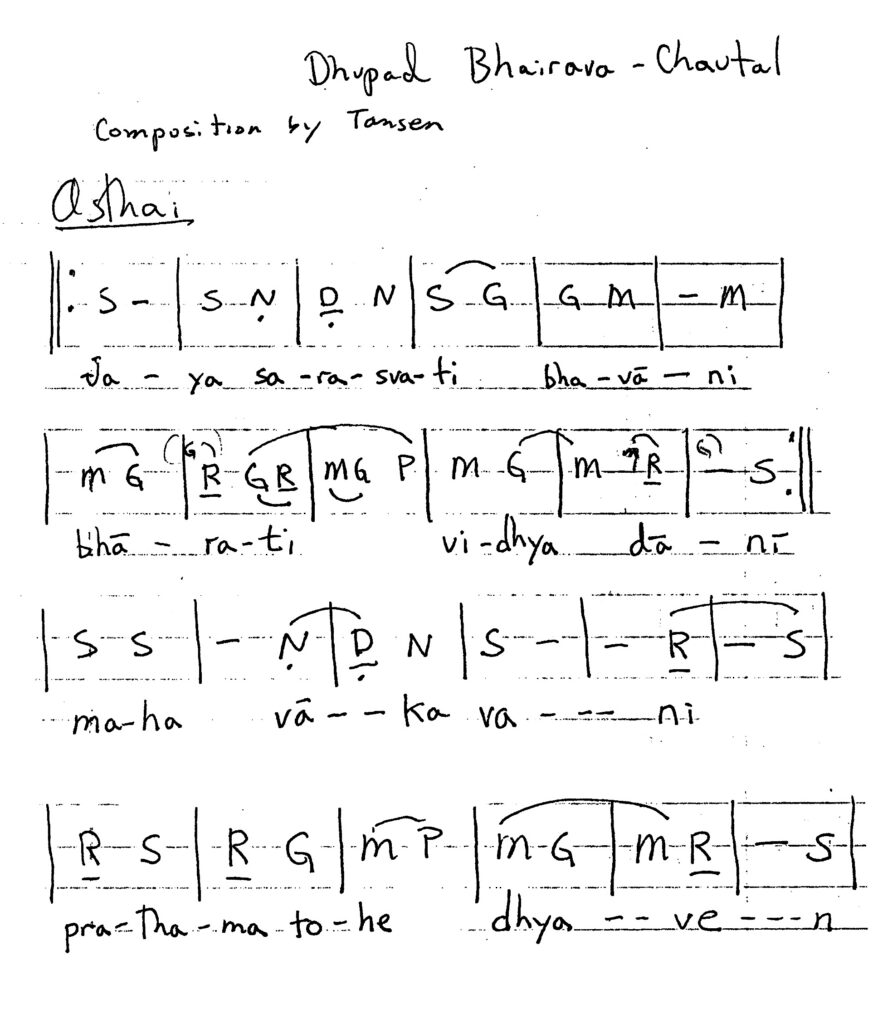
I was living in Fort Collins, Colorado, in 1985 and was happy to learn that Ustad Ali Akbar Khan’s sarod student David Trasoff was living in nearby Boulder and was giving lessons. I called and told him that I was interested in learning ragas. Would he teach me how to sing them? Yes, he would. He had attended Ali Akbar Khan’s vocal classes at the Ali Akbar College of Music in San Rafael for many years.
I studied with David for two years, supplementing my lessons with David with my occasional attendance at Ustad Ali Akbar Khan’s Sunday vocal classes in San Rafael.
One of the ragas that I wanted to learn from David was Raga Darbari Kanada, and he had not learned it. And so, I called on my friend George Ruckert and asked him to teach me this raga, my favorite raga, which he did.
I learned other ragas in the Kanada family of ragas from my friend Rajeev Taranath, and raga Komel Re Asawari as well.
Visit the Kanada Family of Ragas with Rajeev Taranath HERE
Visit the Raga Section of Musical Kaleidoscope Library HERE
1988 - The Castles in the Sun Album
I composed the music for Castles in the Sun and released it on both compact disc and cassette in 1989, hiring a promoter in Los Angeles to plug the album. Castles in the Sun then went national, with hundreds of radio stations across the country playing my music, and we were selling thousands of CDs. One big order from a major distributor in California alone was for 900 units. I remember stacking box after box into the UPS truck outside our door to fill that order. Another order for 300 CDs went to the Hastings Department Store chain. The album was a big success. I will create a revised album with some track substitutions in 2008.
1990 - Kopavi
The experience of trying to create an orchestral work using the electronic instruments of the mid-1980s was so frustrating and difficult that I resolved to compose for a real orchestra instead. I dismantled my recording studio, putting the equipment with which I had recorded all of my albums into storage, and set up a writing table instead. From 1990 to 1994, I concentrated on composing and orchestrating a ballet for orchestra and chorus called Kopavi.
1994 - Discovering Southern Gospel Music
In 1994, I decided that I did not want to return to composing new age music. The genre, now that it had been taken over by major record labels, was completely changing directions. I decided that I would explore the world of gospel music instead.
Therefore, on journeys to the Southeastern United States, I discovered for the first time, the genre of music called Southern gospel. It was music that was unfamiliar to many people who had never lived in the “South”. I moved to Richmond, Virginia in November 1995 and Mary Ellen Bickford joined me two years later. Traveling across the South, we attended numerous concerts, visited collectors, and attended record shows and flea markets. Mary Ellen and I accumulated a fantastic collection of Southern gospel records, many of them rare. I continued collecting until 2002, when I was satisfied that I had found everything that I had been looking for, for the radio show that I still planned to produce.
Visit the Southern Gospel page in the Musical Kaleidoscope Library HERE
1994 - African American Gospel Music
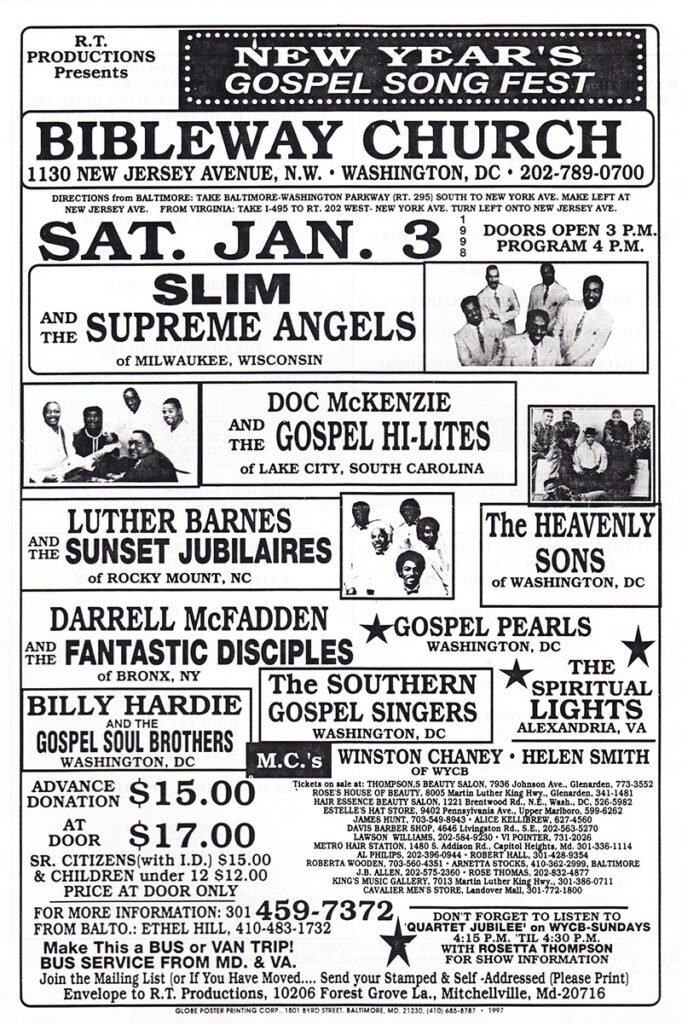
Soon, I discovered African American gospel music. My mentor was a wonderful man named Barksdale “Barky” Haggins, the proprietor of Barky’s Spiritual Store in downtown Richmond, Virginia, where I lived from 1995 to 2000. His store is still the best, and perhaps the only, traditional gospel music store in the USA.
Along the East Coast from Washington, DC, down to Raleigh, North Carolina, there was a strong presence of traditional African American gospel music, and I attended concerts on a regular basis, feeling privileged to be a part of a genre of music that few people of Caucasian descent really knew about. As I did with southern gospel music, I accumulated a large collection of African American gospel recordings along with memories that I will never forget. Traditional African American gospel music is something quite apart from the “contemporary” styles of gospel music that are promoted by commercial interests, leaving behind what what really mattered in this important American music tradition.
Visit African American Sacred Music in the Musical Kaleidoscope Library HERE
1996 - The "Southern Wind" String Quartet
Listen to The Southern Wind String Quartet performed by the Futureman Digital Orchestra HERE
In January 1996, I awoke one morning realizing that I had been dreaming the opening of a string quartet. I grabbed some paper and began writing down what I clearly heard in the dream: the first few pages of the first movement. I then allowed the music to spontaneously flow for a few more pages. I wrote the second movement very spontaneously one morning, copying quickly what I heard in my mind. During the following year, I awoke hearing very clearly the third movement. The final, fourth, movement did not come to me until 2001 when one morning, I felt a flash of inspiration, went immediately to the piano, and wrote wrote what I was hearing down. By the end of that day, the string quartet had been completed.
1997 - Musical Kaleidoscope
I had continued to collect music recordings for the radio program that I planned to do. In March 1997, Mary Ellen Bickford and I conceived of the name “Musical Kaleidoscope” for my still-planned weekly radio show. I then created a series of 23 example radio-show cassette tapes. With the advent of internet technology, Musical Kaleidoscope will grow beyond the scope of “radio” into a full-fledged internet project.
1997 - DoveSong.com
I had signed a contract with the Commonwealth of Virginia and for four years wrote software for the Virginia Department of Motor Vehicles. Part of my work was implementing the department’s first website. In March 1997, Mary Ellen Bickford and I hired Mike Martin, the young man who was programming the DMV website, to create a website for us during his off-hours.
When Mike unveiled the new website, DoveSong.com was born. One of the very first websites dedicated to music education, if not the first, DoveSong became our platform for introducing the world to positive music. The site was a hit right away and became even more popular as I added more content during the following years. When I added MP3, score, and text libraries in 2000, the site was already high in search-engine rankings, and the mp3 recordings of gospel and North-Indian classical music recordings that I made available for download were in constant demand for several years, until I could no longer afford hosting costs. I had spread the word about positive music far and wide. The site received over a million views every year for many years.
Visit DoveSong.com HERE
1999 - The Alpine Symphony Album
When I returned home to Richmond, Virginia, from a fantastic honeymoon vacation with Mary Ellen Bickford Robertson in Switzerland, I spread our beautiful photos of the wonderful places that we had been fortunate to visit in front of me and composed the album Alpine Symphony. The music contained in this album was unlike anything I had done before. As will be the custom from now on, we will create a CD version of the album, but not promote it, always excitedly moving to the next project.
1999 - The Keys Album
In 2000, we released the album Keys on CD. It contained music that I had composed for piano along with two improvisations (“Morning Sunrise” and “Midnight Solitude”) that I had recorded in my home studio in Richmond, Virgina, the previous year. The tracks “Dew” and “Romance”, I had composed during the 1980s. However, I added an improvised middle section to “Romance”. “Prelude” had been composed in 1963 and “Piano Fantasy” in 1976.
2001 - The Yoki Album
I composed and recorded my YoKi album in April and May of 2001. I had long contemplated creating a full-length work using only the five notes of the natural pentatonic scale. I had created my first drafts for a pentatonic orchestral piece such as this as far back as 1976.
The natural pentatonic scale formed the basis of ancient Greek as well as ancient and modern Chinese music and is often the scale for folk tunes. The ancient Chinese believed it was so important that most Chinese music was composed using the natural pentatonic scale only. An ancient text called the Yo Ki, or Yue Ji (樂記), describes the effect that would take place upon a society if any of the five notes of the scale were altered. The album YoKi, named after the ancient manuscript, begins with the music of ancient Chinese instruments, slowly evolving into western orchestral textures. The YoKi album, over one-hour long, represents something new in Western classical music, as many theorists have believed that valid music must be created using scales with seven or more notes and a continual alternation between consonant and dissonant harmonies.
Yo Ki effects are described HERE
2001 - "One" - Symphony in a C Major Chord
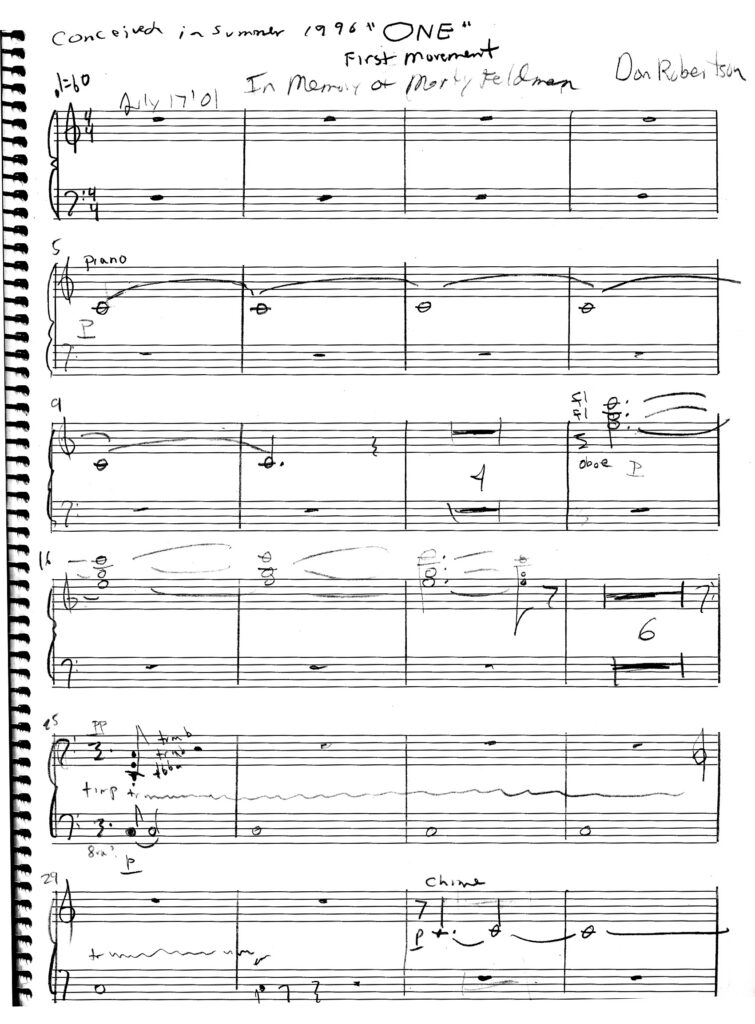
I had created my YoKi album after a lively discussion in an internet chat room consisting of composers and classical musicians. This discussion was basically me arguing with a number of others who insisted that a musical composition was not music at all if it did consist of alternating consonances and dissonances and key modulations. After completing my YoKi album, I composed an orchestral work that contained the notes C, E, and G only, an idea that I had originally conceived of in 1996. I completed the first two movements on manuscript paper. I intend to compose the third movement some day. I called the work One – Symphony in a C Major Chord for Orchestra and Chorus.
2001 - The Poème Album
Poème is of a set of three improvisations that I created in December 2000. The longest improvisation on the Poème album is “Paix” (French for Peace). Lasting over 34 minutes, this improvisation rises out of simplicity itself, the melody developing slowly from two notes that gradually evolve into a pentatonic (five note) theme. The entire 34-minute piano composition, with a background of strings and choir, is a meditative ride upon atmospheric clouds of peace. I created a video called “Bicycles” using this music.
The second improvisation is called “Tendresse” (French for Tenderness). Feelings of tenderness are expressed in this improvisation featuring piano and strings. The slow, romantic beauty captures a kind of improvisation that I had been performing since 1975.
The third improvisation is called “Tranquillité” (French for Tranquility). This very slow improvisation is a floating, gliding ride through inner and outer planetary space.
2002 - Songwriting for Dummies - First Edition
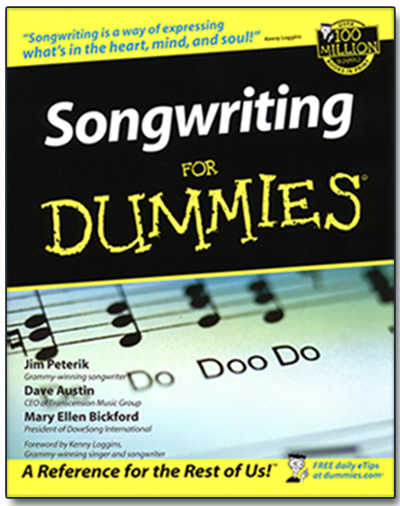
In 2002, Jim Peterik, Mary Ellen, and I wrote the best-selling book Songwriting for Dummies. This coincided with a three-year period where I concentrated on collecting and studying the song traditions of popular, country, and gospel music. The research that I had already begun when the book contract was offered to us continued, and, with exception to some of the more advanced studies, became sections of the book. Although I wrote a third of the book, we left my name off as an author because the publishers allowed only three names.
The following year, Mary Ellen and I moved to Nashville, where we met many great songwriters, composers, and musicians who lived and worked there. Songwriting for Dummies was completely revised in 2010, and we were not involved with that.
2003 - The Inroads Album
I composed and created Inroads in January and February 2003, recording the music with my Ensoniq PARIS Digital Audio Workstation.
The music came easily, and this was the first time since the Dawn album of 1969 that I had recorded a lengthy sound collage (“Pieces of My Past”).
I was very pleased with the album, but there appeared to be no outlets for my music anymore because the corporate music ecosystem had changed so much. The new-age music distributers that had carried my music for twenty years, those that remained, had moved on to what seemed to me, a more commercial faire, and social media and websites like YouTube were not yet available. Record labels, also, were issuing music that I felt was vastly different from my own. Therefore, I simply placed the album on the self for later release, which occurred in March 2019, and still we have not tried to promote it.
2003 - Three Sacred Songs
I composed the Three Sacred Songs in our home on the outskirts of Atlanta, Georgia. I had been working with my wife Mary Ellen on the first edition of the Songwriting for Dummies book and was inspired to write songs for small choral and church groups. These were the three resultant songs, of which I am very pleased. I made the “midi” demo on the left to show what the songs would sound like and what the words were about.
2003 - The Aum Album
I created the Aum album in 2003 with my Ensoniq PARIS Digital Audio Workstation and the legendary Kurtzweil K2500 sampler. The sound AUM  (sometimes spelled om) is described in the Upanishads. It is found in Hindu art in India and Nepal. As creation began, the divine all-encompassing consciousness took the form of the first and original vibration manifesting as the sound AUM. The vibration of AUM is the manifestation of God in form.
2004 - Thrushes in the Moonlight
We had moved to Nashville on November 1, 2003. One day I was seated in my home recording studio when I decided to record a keyboard improvisation. When I finished recording the music and was saving it to disk, I heard in my head that the title was “Thrushes in the Moonlight”. I normally hear titles of music that I had just improvised, and so this was no surprise. I felt like there were words that I should apply to the music that I had just recorded and found the 1941 poem by American poet Robert Frost. As I read it, I realized that it fit beautifully into what I had improvised. Therefore, I created a score for choir and chamber orchestra.
2005 - Music Through the Centuries
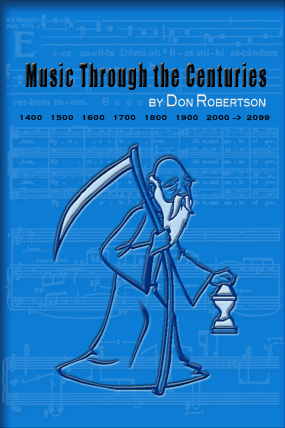
Music Through the Centuries was my 2005 on-line book. Rather than publishing it, I added it to my DoveSong.com website where I could provide links to material that was available on the internet. The subject of the book is my discovery that each of the seven centuries of classical music had its own particular and specific musical style that began at the beginning of that century and continued to the end, when the style either transitioned into the next century’s style, or was replaced by it. My discovery lent further credence to my research, since 1962, into the existence of historical cycles related to music and art. I will not fully understand how this realization of the specific styles for each century fit into a larger cyclic picture until 2016, when I will make yet more discoveries that will be published as The Cycle of the Centuries.
2006-2007 - The Jubilation Mass
In 2006, I was preparing to write a symphony when I had a dream that showed that I would write a mass for orchestra and chorus instead. I immediately went to work composing and orchestrating this new work. Completely tonal and harmonious music, I chose the name Jubilation Mass because of its joyous, uplifting spirit.
I created an instrumental version of the mass using sampling software to make the music available for listening.
2007 - Research in Europe
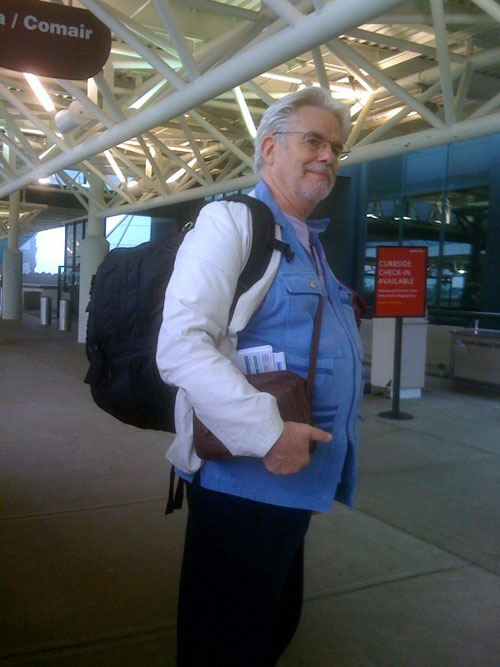
In 2007, I undertook a two-month journey to Europe. I had been so imbued with European culture that it had been always a part of my life in one way or another, since my first lessons with my childhood music teacher, Antonia Brico, whose home was filled with great European music culture: photos, letters, books, records.
I had first visited Europe as a part of a school group in 1958, and Mary Ellen and I had an amazing European trip in 1999. My 2007 trip was an exploratory trip to discover music and language culture. There was a two-week intensive course in French at the Institute Alliance Française in Paris, and a two-week intensive course in German at the Goethe-Institute in Berlin. It was on this trip that I discovered my favorite places for listening to music: The Concertgebouw in Amsterdam and the Thomaskirke in Leipzig, where Bach had been kantor for the last 27 years of his life, and where Wagner and my own great-grandfather were both born. I shipped back to my home in Nashville seven boxes of scores, books and CDs from Europe.
2008 - Celestial Voyager Album
I had created Celestial Voyager in 1986 in my home studio in Fort Collins, Colorado. However, because of the limitations In the electronic music equipment at that time, I was unable to finish “Prayer”, the last track on the album. In 1999, while living in Richmond, Virginia, I dusted off the old master tapes for Celestial Voyager and added more music to the existing album in the home studio that I had put together in Richmond, Virginia. I also created a new track called “Infinite Horizons” that featured me playing acoustic guitar. Finally, in 2008, in my forth home studio in Nashville, I finished Celestial Voyager.
2009 - The First Musical Kaleidoscope Website
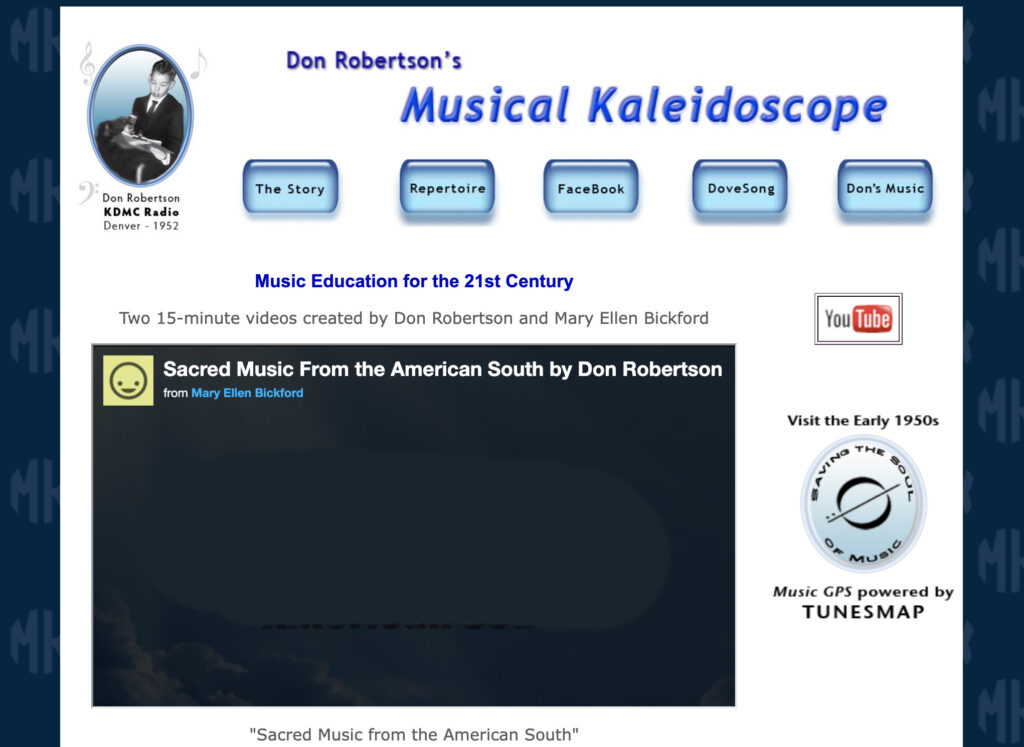
In 2009, Mary Ellen and I created a website for our Musical Kaleidoscope educational project. DoveSong.com was still our primary website, but Musical Kaleidoscope was a website that would include video performances of the music that we wanted to share. Our friends, Nigel Grange and G. Marq Roswell helped us along the way in the creation of the website, and it will remain active until 2024, when Mary Ellen and I replaced it with the website that you are now visiting.
2009 - More Research in Europe
I made another two-month exploratory trip to Europe in 2009. Before I left, I had planned the entire trip, setting up meetings and gathering information before I left. Now that I was past the language barrier, I visited cathedrals and attended concerts in Paris, the Royal Concertgebouw in Amsterdam, and Berlin. I met with two of the top organists in France (Thierry Escaich, Vincent Warnier), was invited to a radio interview (“Mark from Holland”), and hung out with Manuel Gottsching and Gert Wegner in Berlin. Another six or seven boxes of scores, books and CDs returned via post (OK, one was lost by the US post office).
2009 - The Take My Hand Album
Moving to Nashville in November, 2003, I soon began composing songs and co-writing with Nashville songwriters. The result of this was a wonderful album of ten positive popular songs called Take My Hand.
I composed eight of the ten songs on the album. My songwriting friend Beth Eames wrote the words four of them, and I wrote the words for the other four myself. My singing and songwriting cousin Ashe Owen from Colorado together composed the song “How Can I Love You More”, and Ashe, Mary Ellen, and I wrote the title track of the album.
We held recording sessions in my home studio and in two Nashville recording studios with our musician friends performing and singing on the album.
Initially, we considered spending money promoting the album and even created its own website, but we quickly realized that the current state of popular music at the time would not accept an album such as ours. And so, just as we had done with the previous seven albums, we moved on – deferring the album to the future. We will now concentrate on developing our DoveSong and Musical Kaleidoscope educational projects.
2011 - The DoveSong iUniversity
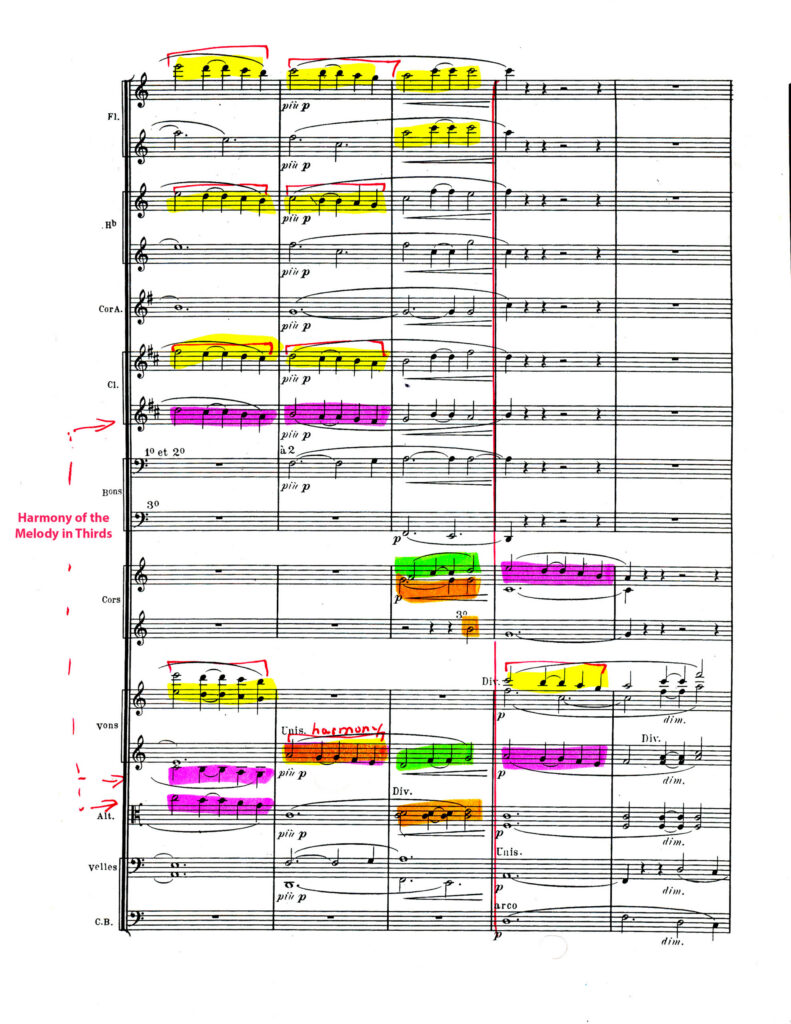
In 2005, I had begun consolidating all the music scores that I had collected, and this work continued until 2019. I wanted to begin publishing our library of scores in printed form, but the cost would have been prohibitive. I decided that the scores should be made available on the internet. I created a section on our DoveSong.com website describing our publication project and called it “The DoveSong iUniversity”, as at that time, “everything internet” seemed to begin with a lowercase “i” (iPhone, iMusic, iBooks, iPad, etc.). By 2006, the Musical Kaleidoscope that we had originally conceived of in 1997 had been transformed from a radio show that I had first produced when I was only 12 years old, and that I later re-created with the 1980 Sonoma State University radio program, into a more encompassing format that included videos and “follow-along” and study scores in video format.
2013 - "Musical Kaleidoscope Presents"
Throughout most of the year 2013, Mary Ellen and I hosted “Musical Kaleidoscope Presents” in our Nashville home on Thursday nights. These events were attended by up to six people, and each event had a different theme. These were preparations for the shows and classes that we would begin producing in video format in April of 2017.
Jeff Lisenby
Nashville’s own Jeff Lisenby presents this special Musical Kaleidoscope class in 2013. Jeff was a very important and accomplished accordionist and a big supporter of the Musical Kaleidoscope project. Our hearts go out to his family after his untimely passing in 2021.
Futureman
This important Musical Kaleidoscope class with Roy “Futureman” Wooten was recorded in Nashville on July 18, 2013. Titled “The Composer, The Myth, and the Story”, Futureman’s fascinating presentation explores the connections between music and the story that it accompanies.
2014 - "The Scale"
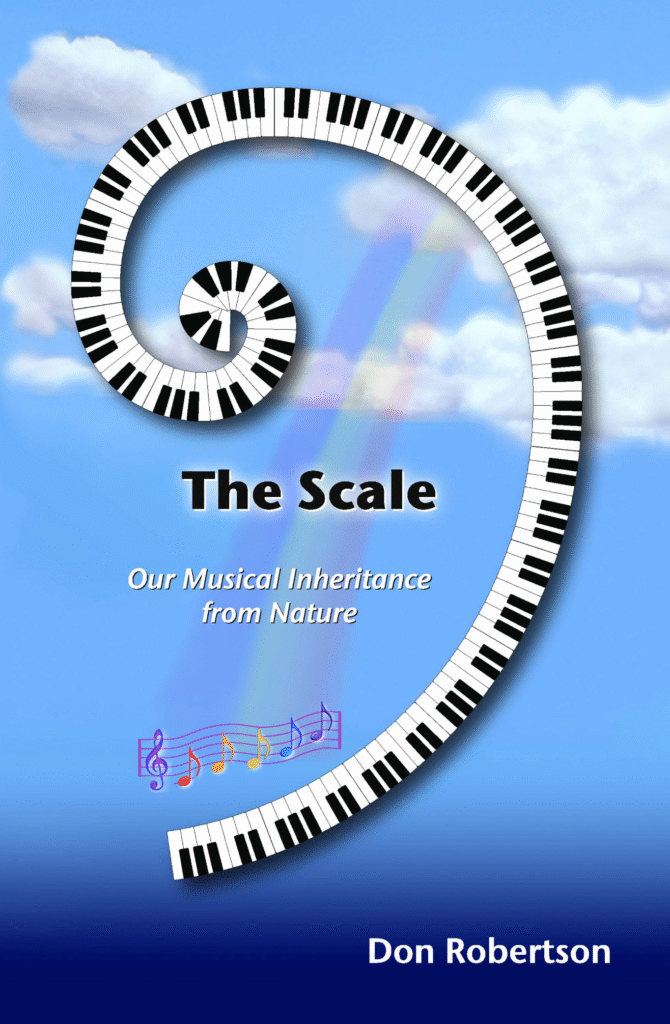
In 2014, I wrote a book called The Scale that made available my most recent discoveries about the nature of our harmonic scale (the basis of all creation, including music) and summed-up my understanding of the nature of positive music, a subject that I had been writing about for over fifty years.
The first three chapters of the book describe the origin and nature of the harmonic scale and the concordant and discordant music intervals. Chapter Four describes the nature of positive and negative music and the existence of root chords for both. Chapter Five describes how during the 20th century, both classical and popular music were being destroyed by discord. The final two chapters are about background music, learning to listen, and a new beginning for music in our cultures.
Read “The Scale” HERE
2017-2022 "The Musical Kaleidoscope Video Library"
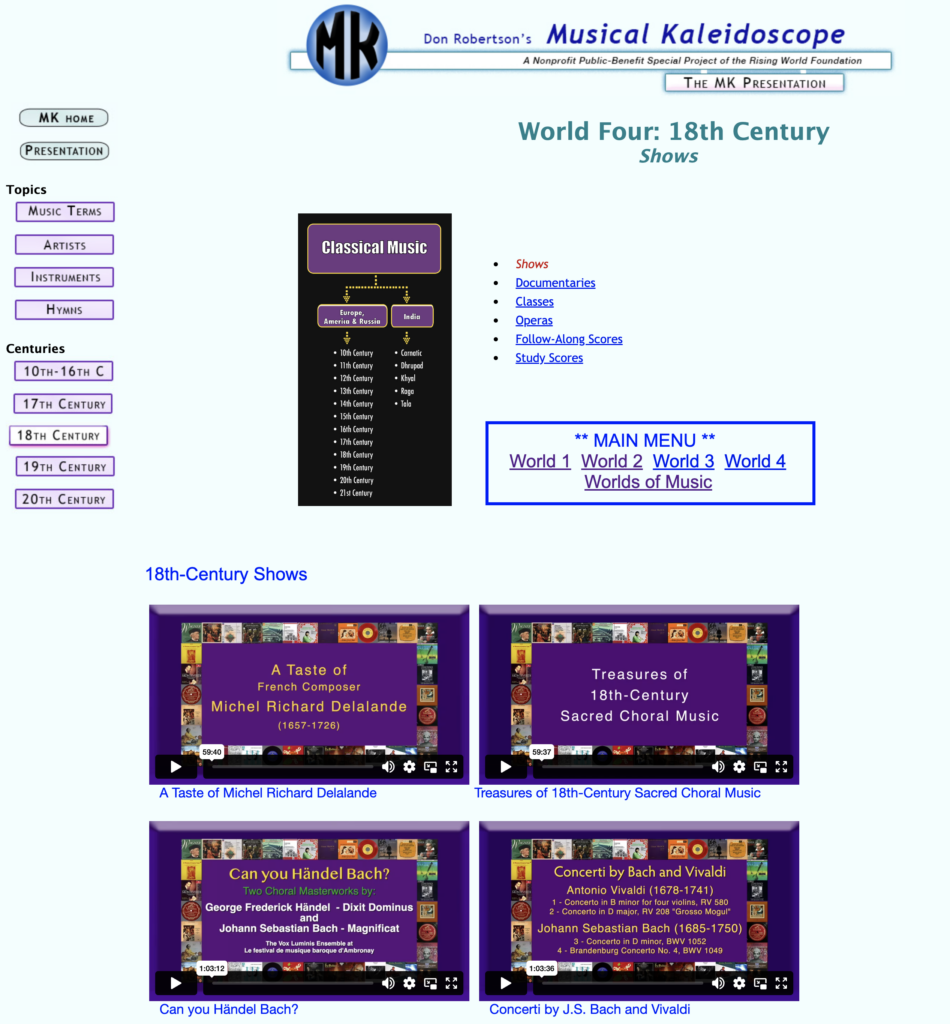
In 2018, we began creating a video library of content examples for the Musical Kaleidoscope Project. These videos provide the basis for the Musical Kaleidoscope concept. During the four-year period of 2018 to 2022, we completed over 1,000 videos contained in four “worlds of music” with content types such as concerts, shows, classes, documentaries, scores, films, and operas.
2020 - The Hymn Project
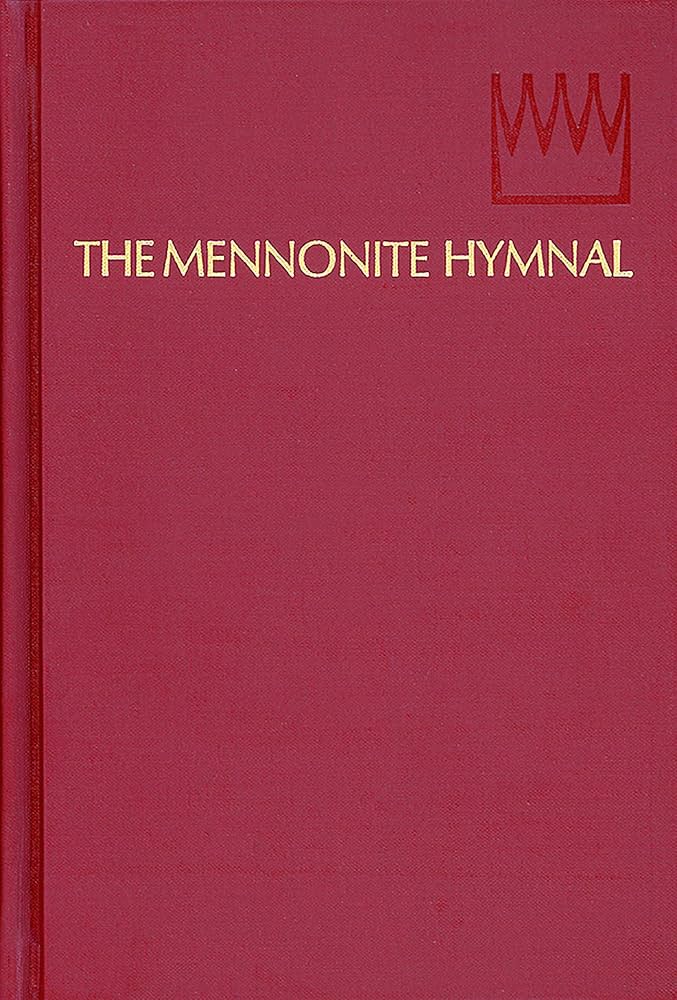
In 2019, Mary Ellen and I moved out of Nashville to rural Tennessee, away from the city that we loved, but was quickly becoming unrecognizable and dangerous. We became friends with members of the Mennonite communities near our new home, attending their church services. There, I heard the most wonderful singing of traditional hymns. I recalled the hymnal that I had compiled in 1972 and had given to a friend to publish, but who then discarded my work and published instead a hymnal of their own. I began researching hymns again and began a new project – The Hymn Project.
Visit the Hymn Project in the Musical Kaleidoscope Library HERE