The Musical Kaleidoscope Story

by Don Robertson

The DoveSong iUniversity

The Goals and Purpose of the DoveSong iUniversity

In March, 1997, Mary Ellen Bickford and I established our two educational projects DoveSong.com and Musical Kaleidoscope – the fruit of ideas that we had first initiated during 1980. The iUniversity section of DoveSong.com was then announced in November 2011, with publications to be made available beginning in 2012. The goal of the iUniversity is to help create a new direction in classical music by providing study scores based on a revolutionary technique of color-coding and analysis that I developed to arm the next generation of composers with the tools they will need to create the 21st century’s classical music.”

– Don Robertson

Three sections to choose from:

Learning from the World’s Greatest Melodic Traditions

Our Great Melodic Tradition - Gregorian Chant

It All Began in Song

The heart of music is SONG and its greatest expression is when it is produced by the human voice. The study of melody in the iUniversity is based on three great world melodic traditions:

  • Gregorian Chant: The importance of this great melodic tradition cannot be over-emphasized. Thanks to inter-library loan and to the great 21st-century online library imslp, we have been able to gather the formerly extremely rare old books of Gregorian Chant scores and texts that deal with every aspect of this great melodic art form.

  • North Indian Classical Music Ragas: The study of one of the most important melodic traditions in the world, the study of the ragas of North Indian Classical Music is a definite next step for 21st century composers and musicians.

  • Song: This section is devoted to leaning about melody by studying the works of the world’s great songwriters, and the melodies of the world’s great folk traditions. We will share techniques that Mary Ellen and I learned during the period of preparation for the book that we co-authored with Dave Austin and Jim Peterik: Songwriting for Dummies.

Learning from the Masters

     The European harmonic tradition began a thousand years ago and developed century-by-century, enhanced by the greatest musical minds of Western classical culture. The harmonic idiom was not fully explored by other cultures, which developed melody and rhythm instead.
     During the 20th century, the European harmonic tradition evaporated into discord and noise as greed systematically began destroying nature, art, and finance. The 21st century has a new agenda! The discords of 20th century music will fade away as the young composers of tomorrow turn instead to concord and to the great music given to us by the musical masters who have left us with their blueprints: their printed musical scores. These, instead of textbook rules, will now – thanks to 21st-century digital distribution technology – provide the tools for the classical music of the 21st Century.

Section One

Gregorian Chant

Lorem ipsum dolor sit amet, consectetur adipiscing elit. Ut elit tellus, luctus nec ullamcorper mattis, pulvinar dapibus leo.

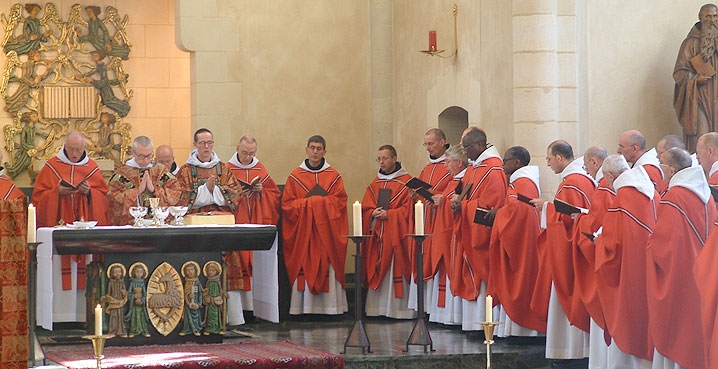
Monks at the Abbaye Saint-Pierre have protected the traditional Roman music liturgy

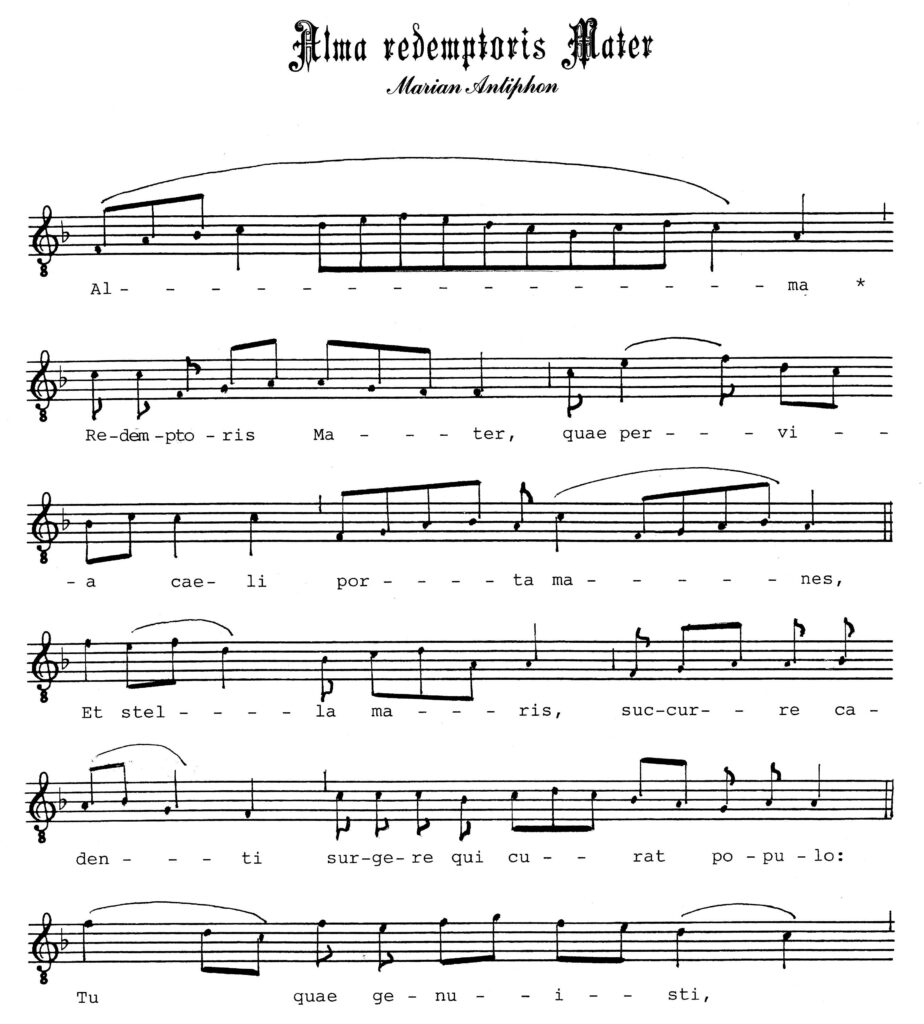
Gregorian Chant, or what is sometimes called “plainsong,” is among the oldest classical music of the European Harmonic Tradition. It is also the basis for all of the great choral music that was sung in the Roman Catholic church and contain some of the greatest melodies that have been written. These Gregorian melodies were incorporated in the choral music of every century. I first heard a recording of Gregorian chant back in 1965 in a university music appreciation course. I knew immediately how beautiful, powerful, and uplifting this ancient music was! Millions of people re-discovered Gregorian chant during the period of popularity of new age music in the 1980s and then again in the 1990s when the album “Chant,” recorded by the Benedictine monks of Santo Domingo de Silos, Spain hit the pop charts in England. My study of Gregorian chant began in 1971, at the same time that I began a ten-year study of Renaissance sacred music. Gregorian chant and the sacred music of the 16th century are very closely interwoven.

The best source of information about Gregorian chant are old publications of the Catholic church that we will be offering as reprints.

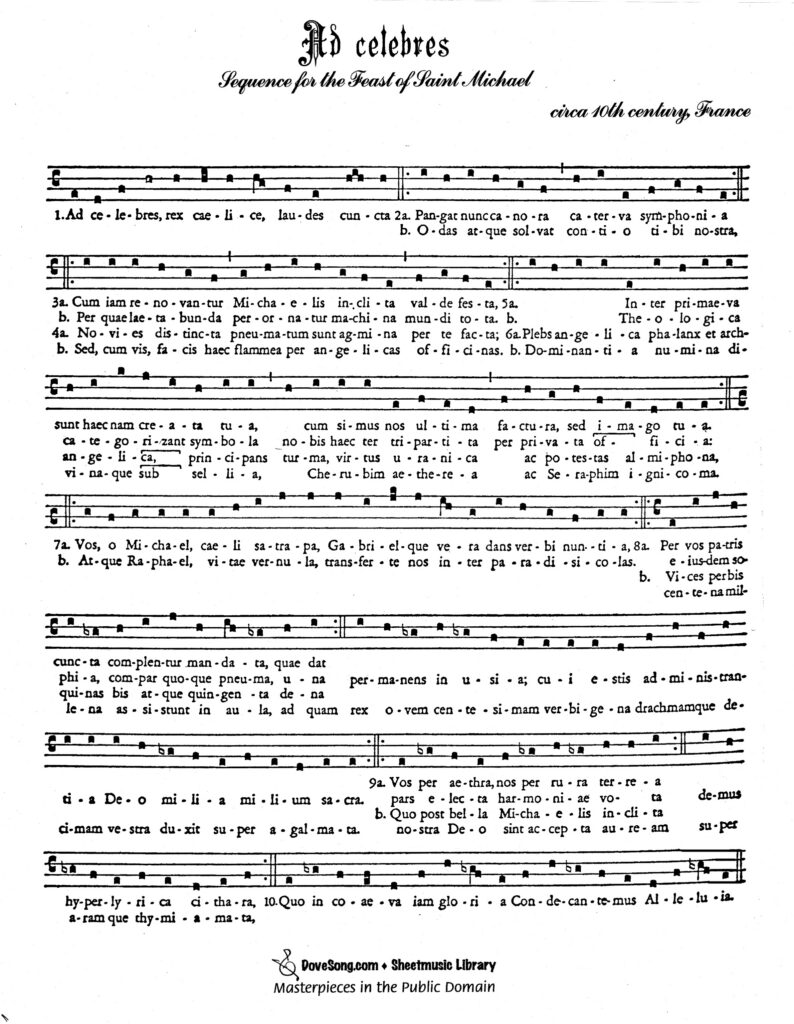
Two Sequences from the DoveSong Sheet Music Library


Scores

(in modern notation)

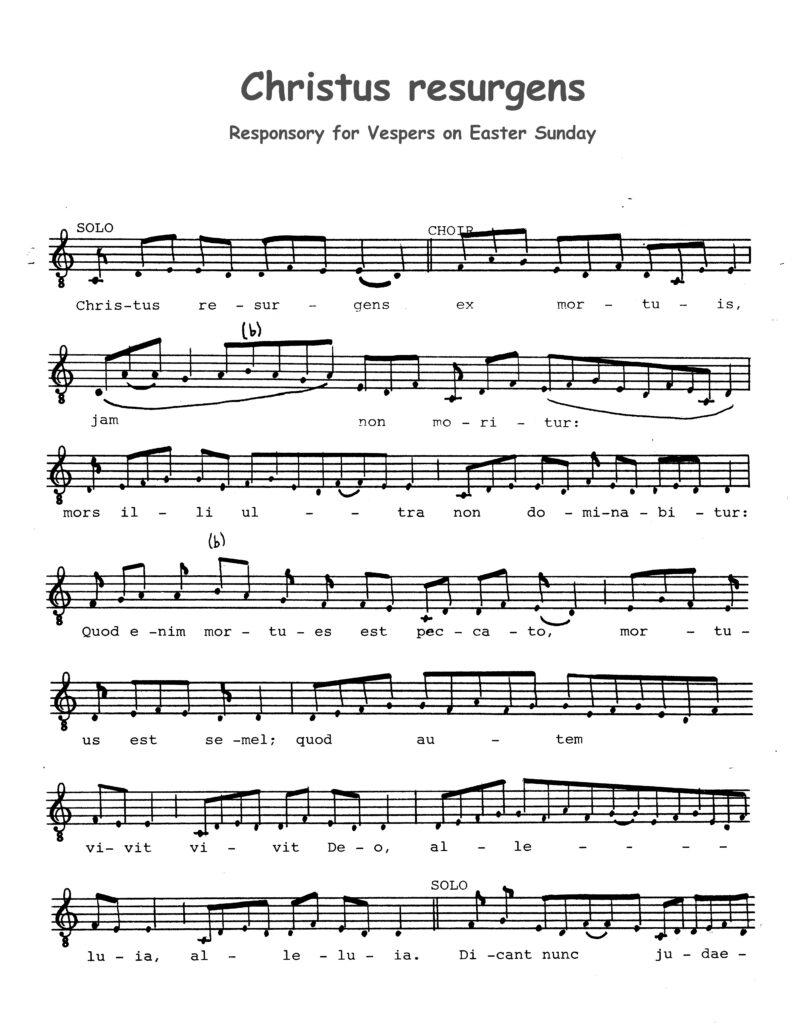
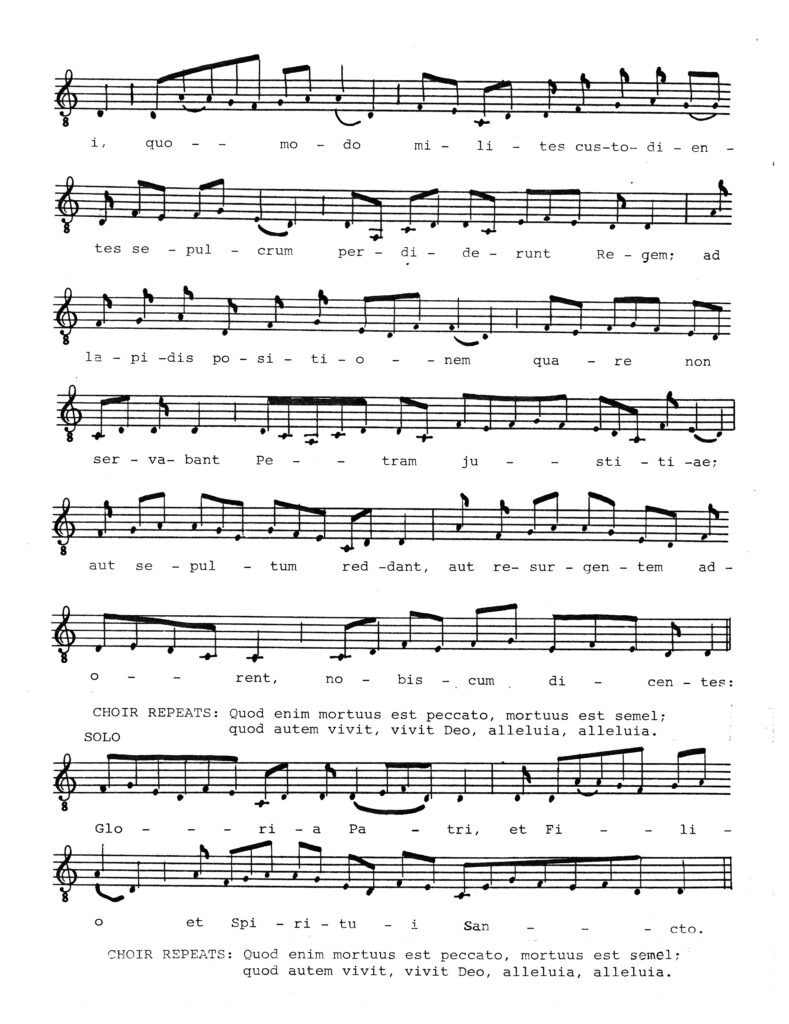
Gregorian Responsory Christus resurgens from SM-0001 – Gregorian Chant

Examples from MC004 Ave Maria (2011)

SM-0001 – Gregorian Chant

Score Reprints

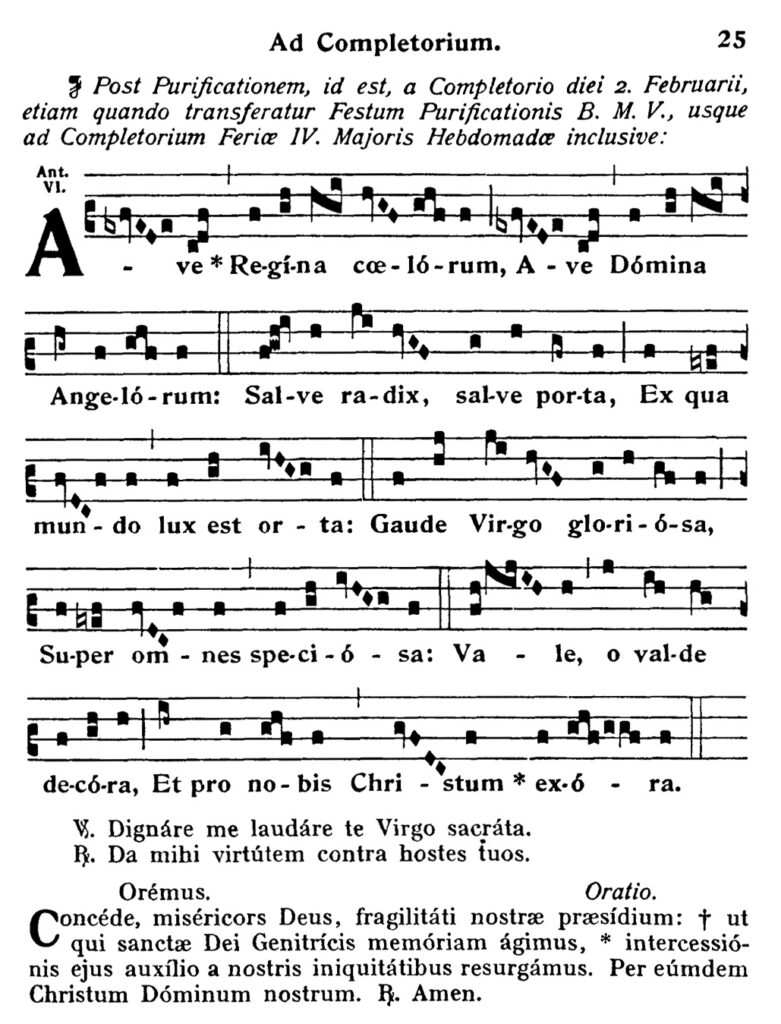
Ave Regina Coelorum from the RM-0002 The Vesperale Romanum of 1913
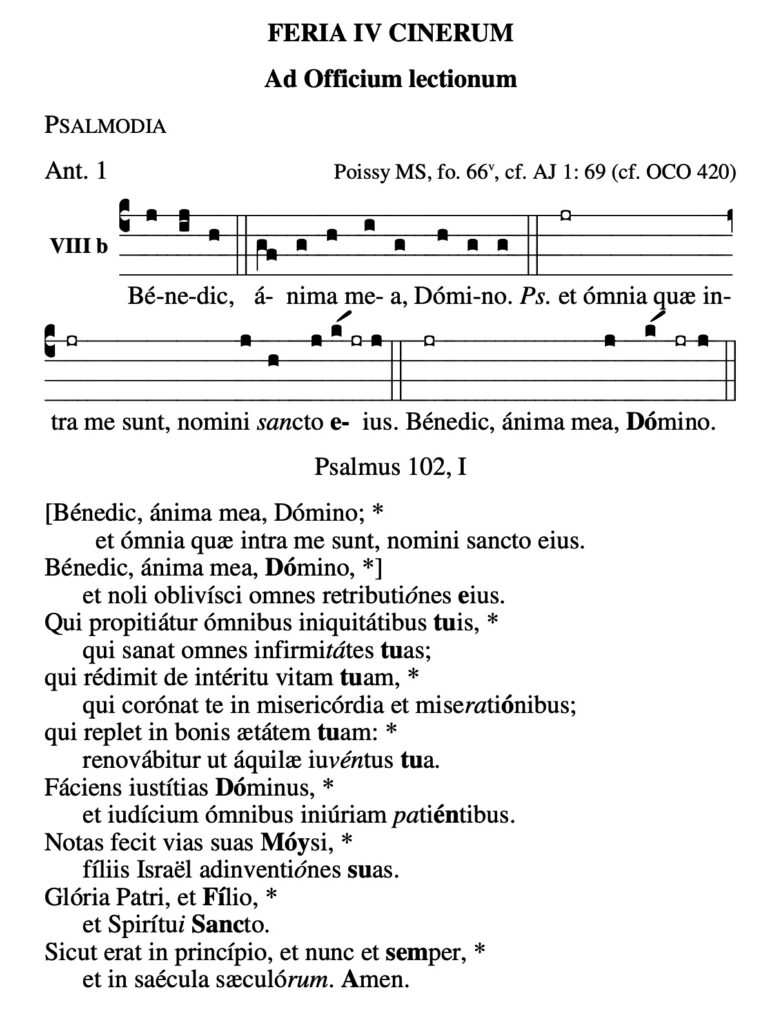
Antiphon and Psalm "Benedic, anima mea" from RM-0011 Antiphonale Monasticum - Solesmes Monastery 1931

RM-0001 – The Liber Usualis 1961

RM-0002 – The Vesperale Romanum 1913

RM-0003 – Versus Psalmorum et Canticorum 1962

RM-0004 – Offertoriale 1935

RM-0007 – Graduale Romanum 1961

RM-0008 – Matutinum 1936

RM-0009 – Ordo Processionem 1925

RM-0010 – Officium Hebdomadae 1935

RM-0011 – Antiphonale Monasticum – Solesmes 1931

RM-0012 – Antiphonale Sacrosanctae 1912

RM-0013 – Liber Responsorialis by Solesmes Abbey (Pothier) 1895

RM-0014 – Graduale Romanum – Editio Vaticana

RM-0015 – Psalmi in Notis

RM-0016 – Liber Gradualis 1895 (Pothier)

RM-0017 – Solesmes Graduale Romanum 1961

Book Reprints

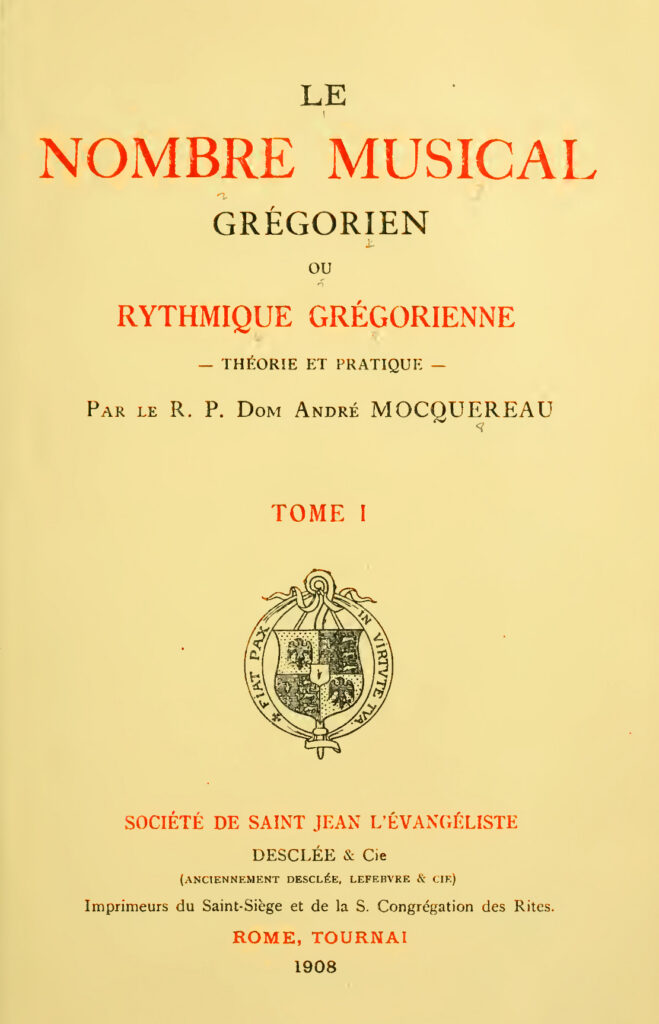
Le Nombre Musical Grègorian, by Dom Mocquereau (our copy is autographed by the author)
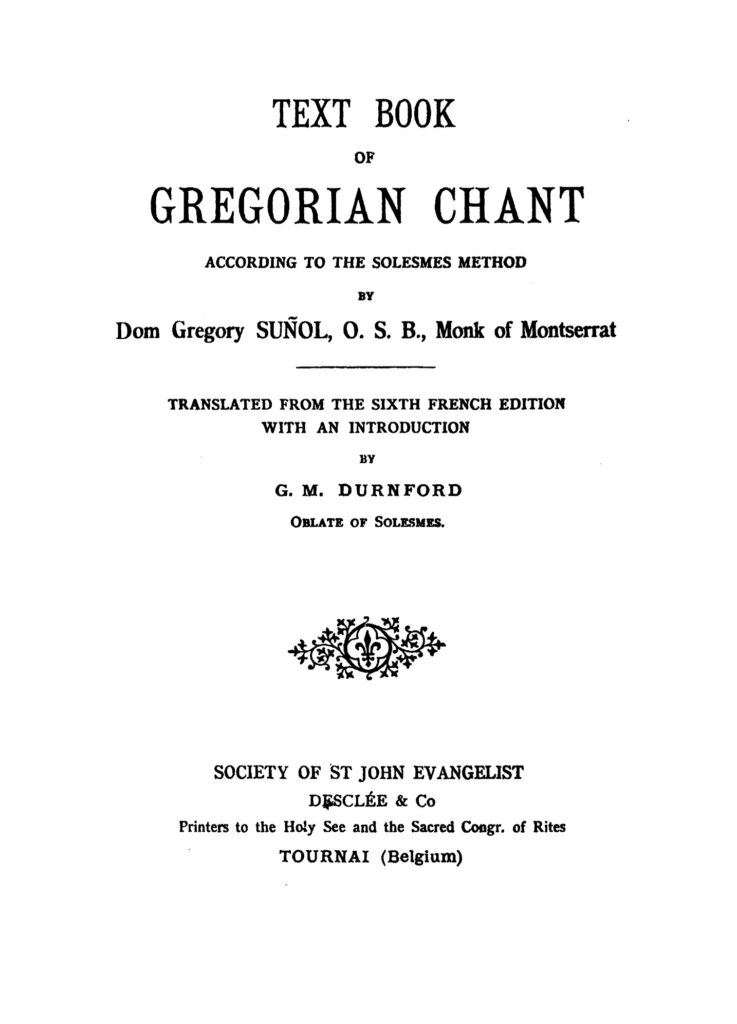
Textbook of Gregorian Chant, by Dom Gregory Suñol

BM-0001 – Missale Romanum 1920

BM-0002 – Text Book of Gregorian Chant According to the Solesmes Method

BM-0003 – Johner – A New School of Gregorian Chant 1925

BM-0004 – The Rhythm of Plainsong

BM-0005 – Gregorian Chant for Church and School 1944

BM-0006 – Le nombre musical grégorien, by Mocquereau, André, 1849-1930

BM-0007 – The St. Gregory Hymnal, by Nicola A. Montani 1920

Section Two

Ragas of North India

What raga is. Best example is so-called blues scale. Not just a scale, but a way to play the notes also.


at the bottom button for raga page.

Learn about ragas ->

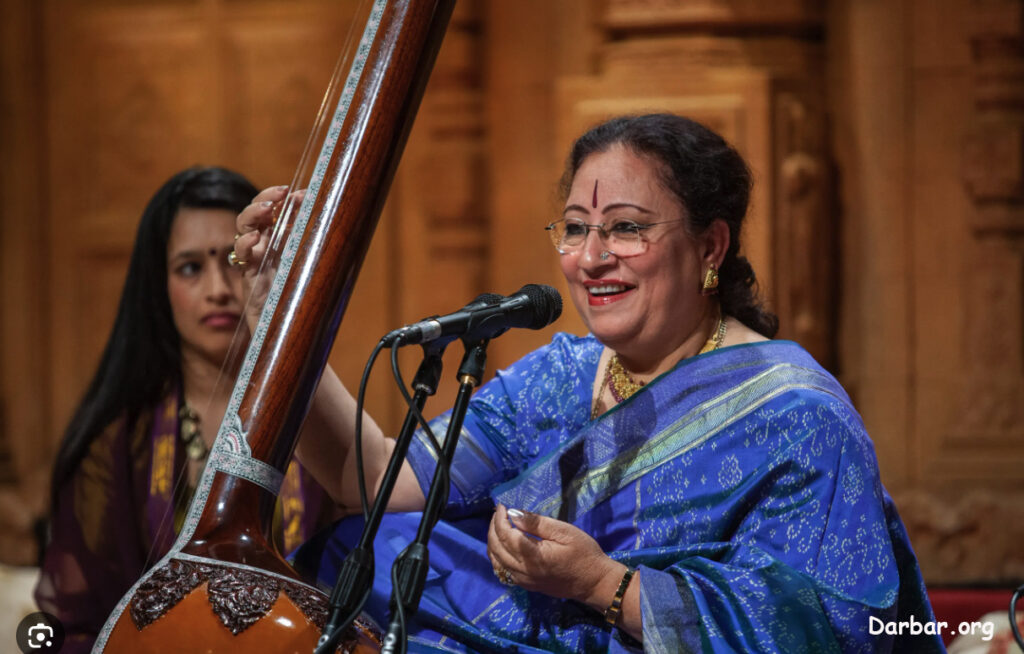
Begum Parveen Sultana - Khayal Vocalist at the Darbar Festival in the Phoenix Theatre in Leicester

“The study of the melodic tradition of North Indian classical music, called raga, is a primary educational necessity for 21st century musicians and composers” – Don Robertson

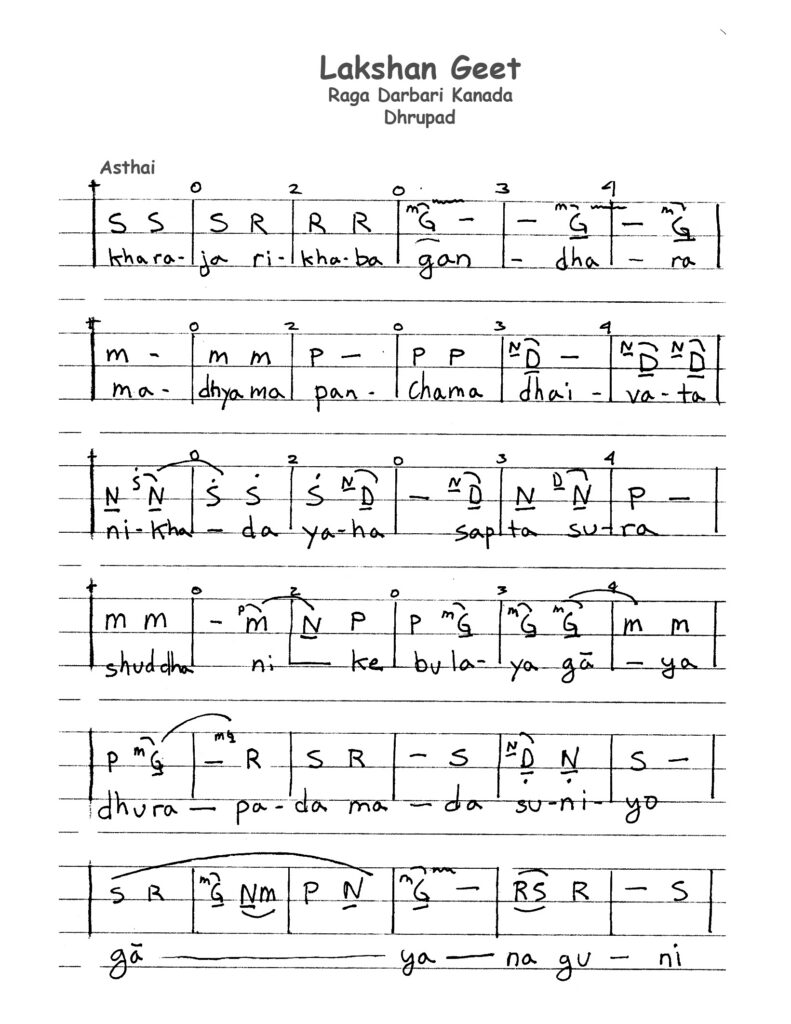
Lakshan Geet (student song) in Raga Darbari Kanada - Asthai
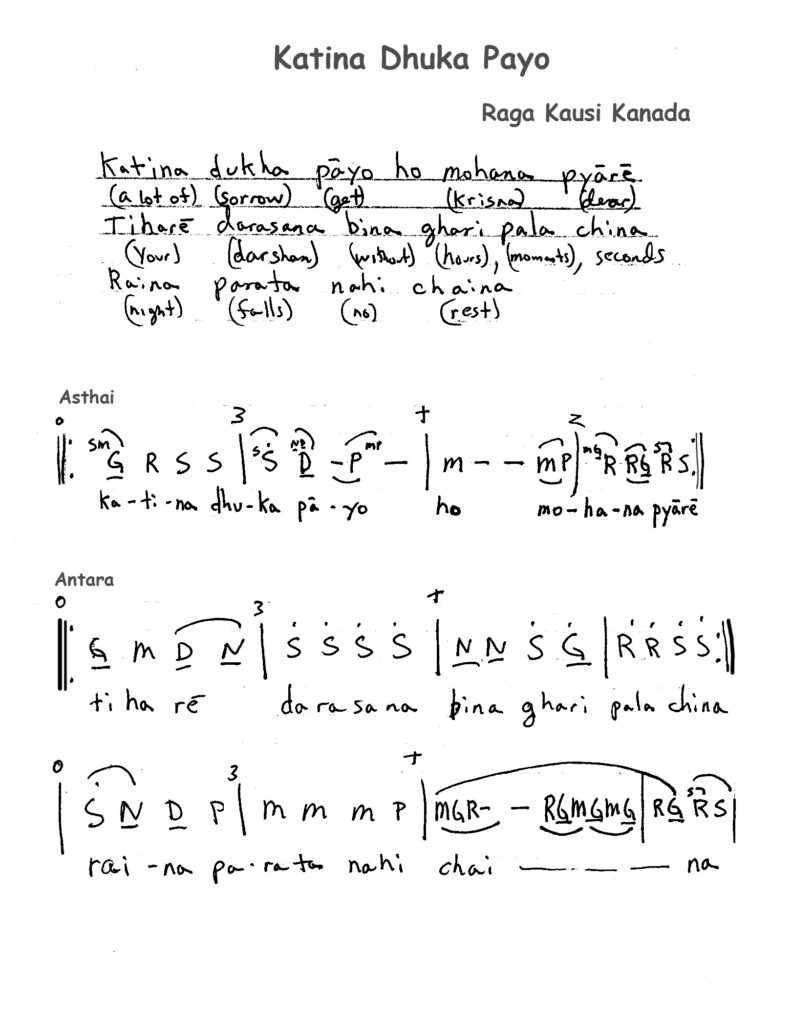
The Song "Katina Dhuka Payo" in Raga Kausi Kanada

Raga is a melodic concept almost completely unknown in our culture. A raga is a blueprint for composing and improvising melody. The best way that I know to describe to Western musicians what a raga is, is to equate it to the “blues.” To learn to play or to sing the blues, a musician or singer does not learn a scale. There is much more to singing the blues – i.e. form (12-bar patterns), embellishment notes, riffs. One learns blues only by listening to great blues recordings. The same is true for learning ragas. Learning a single raga is like learning the blues. But once you know that raga, like knowning the various possibilities of the blues, you will be able to sing or play it, and you will understand, in addition to feeling, what singers from India are performing when they perform that raga.

 I will be introducing various ragas from North Indian classical music for composers:

Morning Ragas

Ragas Bharavi, Bhairov, Bilaskhani Todi, Asawari

Afternoon Ragas

The Sarang Family plus Raga Desh,Miya Ki Mahlar, and some pentatonic Ragas

Night Ragas

Ragas Yamen, Kedar, Bagashri, Malkauns, Khammaj, Kausi Kanada, Darbari Kanada, Adana

Raga Studies

RS-0001 – The Morning (250 pages)

RS-0002 – The Afternoon

RS-0003 – The Night (370 pages)

RS-0004 – The Kanada Ragas

RS-0005 – The Seasonal Ragas (138 Pages)

RS-0006 – Pentatonic Ragas (160 pages)

Section Three

Song

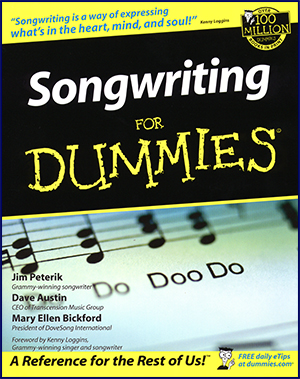
This is the book that my wife Mary Ellen Bickford, Jim Peterik, and I wrote in 2002. My name is not on the cover because the publisher would only allow three authors’ names. However, I wrote one-third of the first edition of the book, as well as the initial plan submitted to the publisher. Songwriting for Dummies has sold over 600,000 copies worldwide. The second edition is now in print and both Mary Ellen and my names have been removed from the cover as we did not participate in the revisions made to this edition.

This book gave me the excuse to dive into a very professional and through study of the popular song literature. By 2006, I had composed a number of songs which Mary Ellen and I recorded in our album “Songs of Love and Joy.”

The study of popular song is a fascinating one and an important one for young composers. – Don Robertson

Lorem ipsum dolor sit amet, consectetur adipiscing elit. Ut elit tellus, luctus nec ullamcorper mattis, pulvinar dapibus leo.

Song Studies

Analysis of “You’re My Inspiration”

duh duh duh David Foster 

SS-001 – Songs of Diane Warren

SS-002 – Reba and Martina McBride

SS-003 – Trisha Yearwood

SS-004 – Vince Gill and Tim McGraw

SS-005 – Male Country Groups & Singers

SS-006 – Backstreet Boys

SS-007 – Boys II Men and NSYNC

SS-008  – Country Music Songs

SS-009  – Various Songs

SS-010  – Songs from Europe

SS-011  – Boyzone – British Group

SS-012  – Westlife- British Group

SS-013  – Steps- British Group

SS-014  – Corrs – Irish Group

SS-015  – Celine Dion

SS-016  – Lara Fabian

SS-017  – French Songs

SS-018  – Jean-Jacque Goldman

SS-019  – The Good Shepherd Quartet Volume 1

SS-020  – The Good Shepherd Quartet Volume 2

SS-021  – The Isaacs

SS-022  – The Singing Cookes

SS-023  – The McKammeys

SS-024  –  Southern Gospel Volume 1

SS-025  – Southern Gospel Volume 2

SS-026  – Bluegrass Music 

SS-028  – Popular Music

SS-030  – Classic Ballads 

SS-031  –  Various Artists Volume 1

SS-032  –  Various Artists Volume 2

SS-033  –  Various Artists Volume 3

SS-035  –  Various Artists Volume 4

SS-036  –  Various Artists Volume 5

SS-037  – Art Song  

Song Examples

Popular Songs

“A Taste of the Sixties”, a compilation by Musical Kaleidoscope

Country Songs

“Bluegrass America!”, a compilation by Musical Kaleidoscope

Gospel Songs

“Deep Mississippi Gospel”, a compilation by Musical Kaleidoscope

Southern Gospel Songs

“Gospel Songs from the Redback Hymnal”, a compilation by Musical Kaleidoscope

“South of the USA Border” Songs

“Sjfifjdi” by Ditty and the Dirtbags

Native American Songs

“A Taste of the Andes”, a compilation by Musical Kaleidoscope

French Folk Music

“Broken Vow” by Lara Fabian

French Chanson

Gabriel Fauré – Après un rêve with Sabine Devieilhe & Alexandre Tharaud (Warner Classics)

Lorem ipsum dolor.

European Song

“Broken Vow” by Lara Fabian

Art Song

Gabriel Fauré – Après un rêve with Sabine Devieilhe & Alexandre Tharaud (Warner Classics)

Link to MK Playlist