The iUniversity
Section Nine
Studies in Music Drama
Richard Wagner (1813-1883) is probably the most misunderstood composer who ever lived. In seeking opinions either about the man or his music, often one will find either pure adulation, or absolute disgust. Even while he lived, Wagner was hated by a great many people, the object of scorn and ridicule, mostly because of what was written about him in the mass media and books of the time.
Wagner’s innovations completely transformed musical stage presentation. He was the first to darken the auditorium during performance, with doors shut to inhibit latecomers from entering, and the first to specify that applause be reserved for the end of an act.
Wagner Takes the Baton from Beethoven
Beethoven’s last string quartets went far beyond the comprehension of musicians and audiences of the time. One musician commented that “we know there is something there, but we do not know what it is.” Composer Louis Spohr called them “indecipherable, uncorrected horrors.” But opinion has changed considerably from the time of their first bewildered reception: these six quartets (Op. 127, 130, 131, 132, 133, 135) comprise Beethoven’s last major, completed compositions and are widely considered to be among the greatest musical compositions of all time.
Wagner, when reflecting on Op. 131’s first movement, said that it “reveals the most melancholy sentiment expressed in music”. The last musical wish of Schubert was to hear the Op. 131 quartet, which he did on 14 November 1828, five days before his death. Upon listening to a performance of the Op. 131 quartet, Schubert remarked, “After this, what is left for us to write?” Of the late quartets, Beethoven’s favorite was the Fourteenth Quartet, op. 131 in C♯ minor, which he rated as his most perfect single work. (Wikipedia)
Wagner was one of the first composers to recognize the transformative power of Beethoven’s last, controversial works – the Mass in D, the last piano concertos and string quartets and the now-famous Ninth Symphony.
The transformative works of Beethoven’s last period
Romantic composers like schumann and brahms came from the middle period
Wagner came from the last and brucner
It was Wagner who really gave the misunderstood 9th symphony to the world.
Conducted it in Dresden in 1946.
Wagner and the last beethoven works and conducting 9th symphony
Quotes by Richard Wagner
“The most burning need of the present generation is that of Universal Human Love; and we can but look with full assurance to a future element in life in which this love must needs give birth to works undreamt of as yet, works that shall turn those scraps and leaving of Greek art to unregarded toys for fractious children.”
“Art and Climate” by Richard Wagner
“I have no connection whatever with the present anti-Semitic movement. An article of mine about to appear in Bayreuther Blätter will state this in such a way that it should be impossible for intelligent people to identify me with this movement.”
Letter to Angelo Neumann Feb. 23, 1881
Learn About Wagner on Musical Kaleidoscope – – >
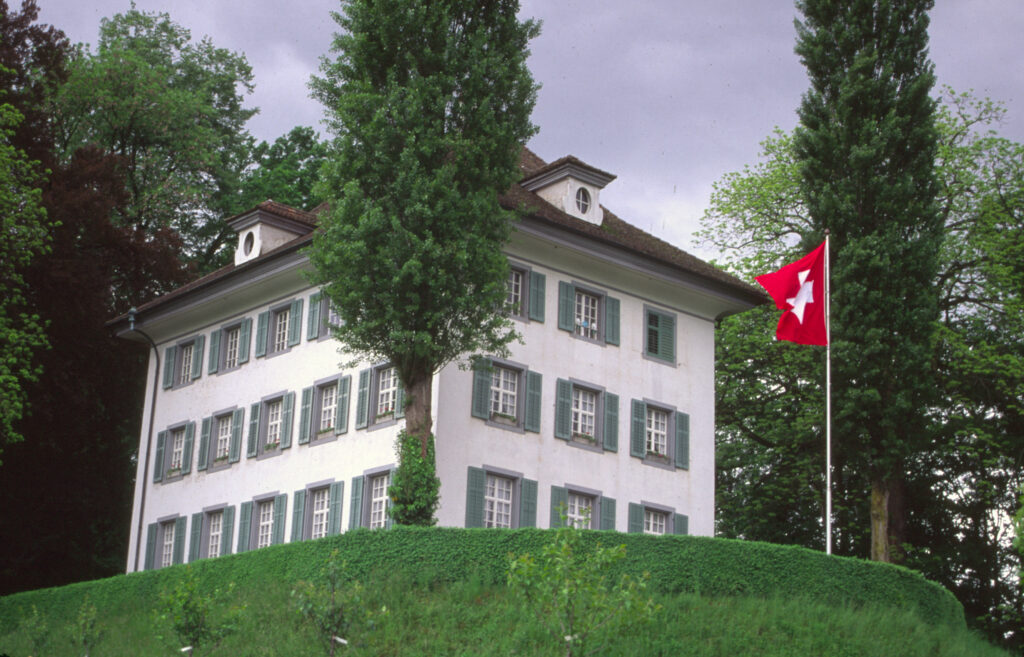
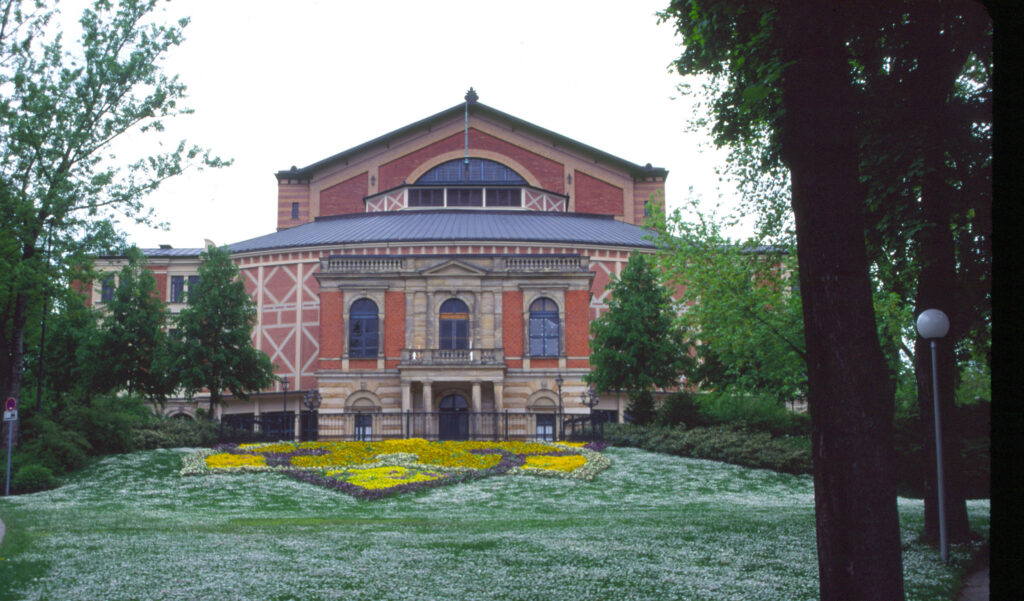
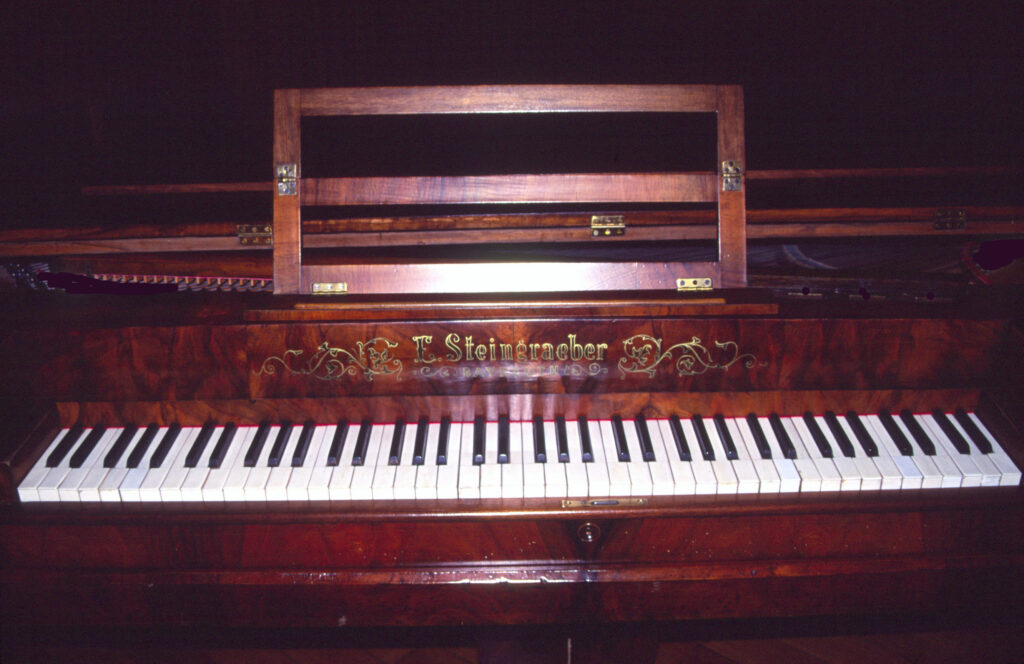
Traces of Wagner
Photos by Don Robertson (1999)
Lorem ipsum dolor sit amet, consectetur adipiscing elit. Ut elit tellus, luctus nec ullamcorper mattis, pulvinar dapibus leo.
“Finding Wagner”
A Film by Don Robertson
Lorem ipsum dolor sit amet, consectetur adipiscing elit. Ut elit tellus, luctus nec ullamcorper mattis, pulvinar dapibus leo.
Scores
Richard Wagner – Music Dramas
WS-001 – Tannhauser (415 pages)
WS-002 – Parsifal (589 pages)
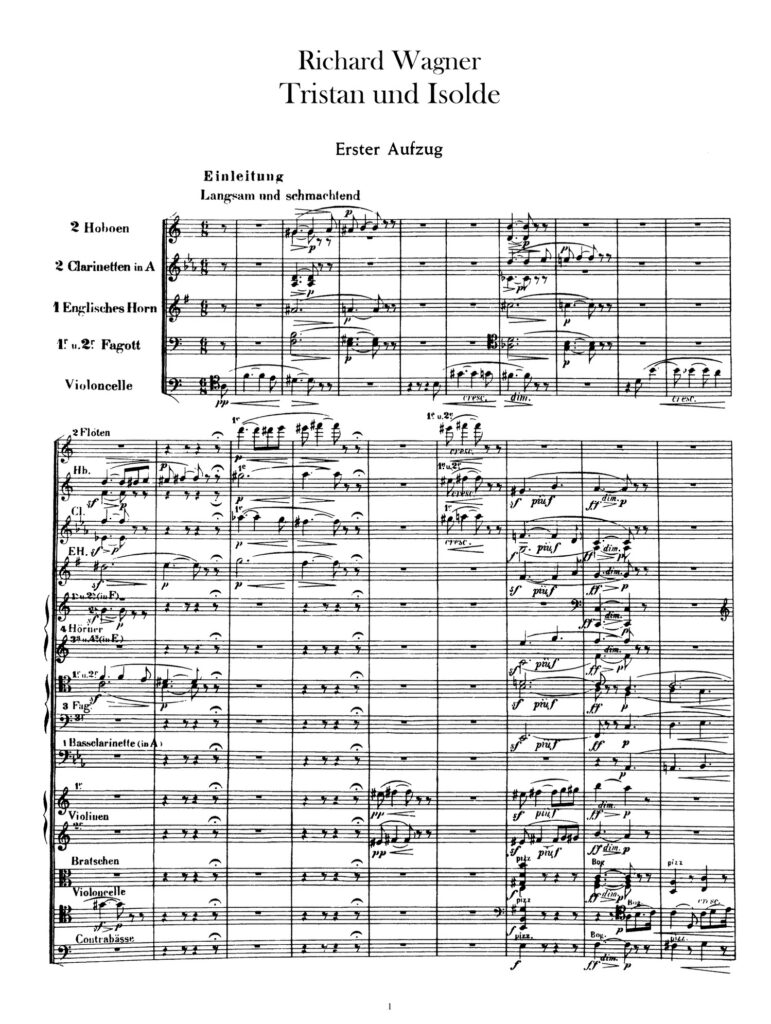
WS-003 – Tristan und Isolde (439 pages)
WS-004 – Lohengrin (395 pages)
WS-005 – Das Rheingold (335 pages)
WS-006 – Die Walküre (445 pages)
WS-007 – Siegfried (445 pages)
WS-008 – Götterdammerung (615 pages)
WS-009 – Die Meistersinger Overture and 1st Act (440 pages)
WS-010 – Die Meistersinger Act 2 (365 pages)
WS-011 – Die Meistersinger 3rd Act (626 pages)
Richard Wagner – Siegfried Idyll
WS-012 – Siegfried Idyll (30 pages)
Other Scores
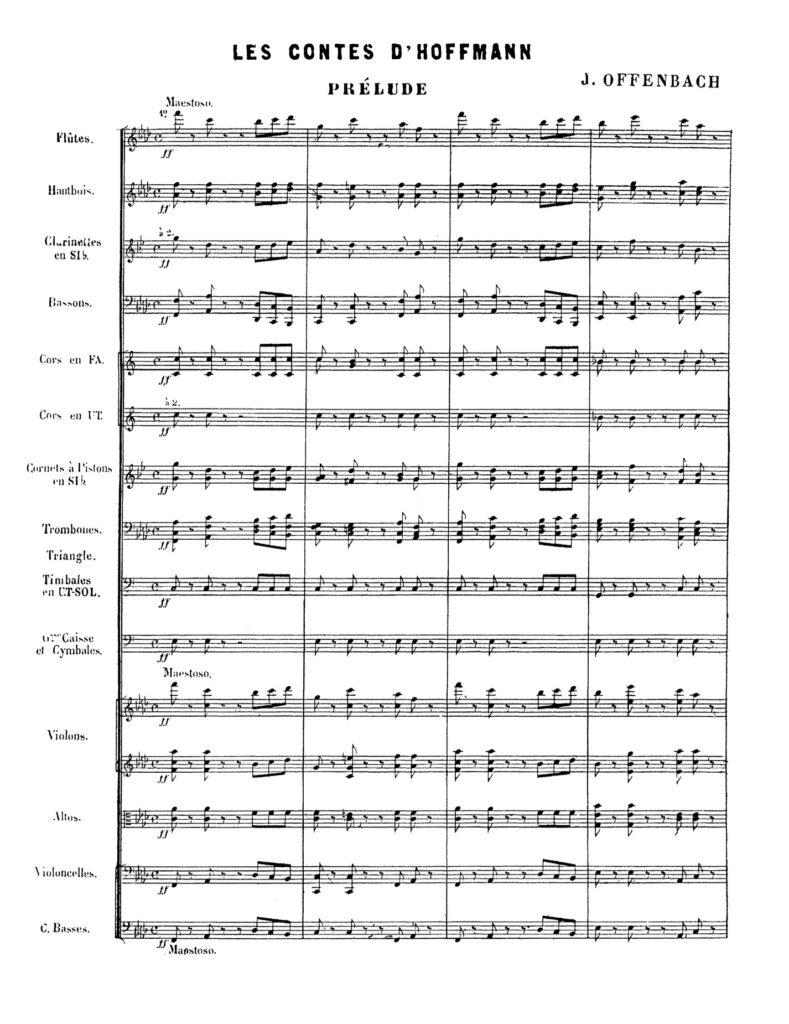
OS-001 – Jacques Offenbach – Tales of Hoffman Act 1 & 2 (195 pages)
OS-002 – Jacques Offenbach – Tales of Hoffman Act 3 & 4 (210 pages)
Videos
Offenbach’s Tales of Hoffmann – The Movie
Read about “The tales of Hoffmann” – – >
Richard Wagner – Music Dramas
Wagner’s Der Ring des Nibelungen
The way that Wagner wanted it to be staged! – Beautiful performances by the Metropolitan Opera
* English Subtitles *
* German Subtitles *
Book Reprints
Authored by Richard Wagner
BW-001 – Mein Leben (Wagner, Richard) (English translation) Volume 1
BW-002 – Mein Leben (Wagner, Richard) (English translation) Volume 2
BW-003 – Wagner – Mein Leben Volume 1
BW-004 – Wagner – Mein Leben Volume 2
BW-005 – Richard Wagner’s Prose Works (Wagner, Richard) Volume 1
BW-006 – Richard Wagner’s Prose Works (Wagner, Richard) Volume 2
BW-007 – Richard Wagner’s Prose Works (Wagner, Richard) Volume 3
BW-008 – Richard Wagner’s Prose Works (Wagner, Richard) Volume 4
BW-009 – Richard Wagner’s Prose Works (Wagner, Richard) Volume 5
BW-010 – Richard Wagner’s Prose Works (Wagner, Richard) Volume 6
BW-011 – Richard Wagner’s Prose Works (Wagner, Richard) Volume 7
BW-012 – Richard Wagner’s Prose Works (Wagner, Richard) Volume 8
BW-013 – Correspondence of Wagner and Liszt Volume 1 (1889)
BW-014 – Correspondence of Wagner and Liszt Volume 2 (1889)
BW-015 – Family Letters of Richard Wagner (Trans. English by Ellis) (1911)
BW-016 – The Nibelung’s Ring (Trans. Alfred Forman in 1877)
Books about Richard Wagner and Others Associated with his Life
BW-100 – Aus dem Opernleben der Gegenwart (Hanslick, Eduard) (1901)
BW-101 – Vincent D’Indy – Parsifal
BW-102 – Die Meistersinger von Nürnberg (Dinger, Hugo)
BW-103 – Die Moderne Oper (Hanslick, Eduard) (1892)
BW-104 – Hans von Bülow (Lipsius, Ida Marie) (1911)
BW-105 – Hans von Bülow (Zabel, Eugen) (1894)
BW-106 – Parsifal, a Study (Boughton, Rutland)
BW-107 – Richard Wagner (Landré, Willem)
BW-108 – Richard Wagner by Houston Stewart Chamberlain (1897)
BW-109 – Richard Wagner et Tannhäuser à Paris, by Charles Baudelaire
BW-110 – Richard Wagner- His Tendencies and Theories (Dannreuther, Edward) (1873)
BW-111 – Richard Wagners Bühnenfestspiel ‘Der Ring des Nibelungen’ (Famintsyn, Aleksandr)
BW-112 – Studies in the Wagnerian Drama (Krehbiel, Henry Edward) (1898)
BW-113 – The Perfect Wagnerite (Shaw, George Bernard)
BW-114 – The Ring of the Nibelungs (Cui, César) (1889)
BW-115 – Wagner 1899 by Charles A. Lidgey (1911)
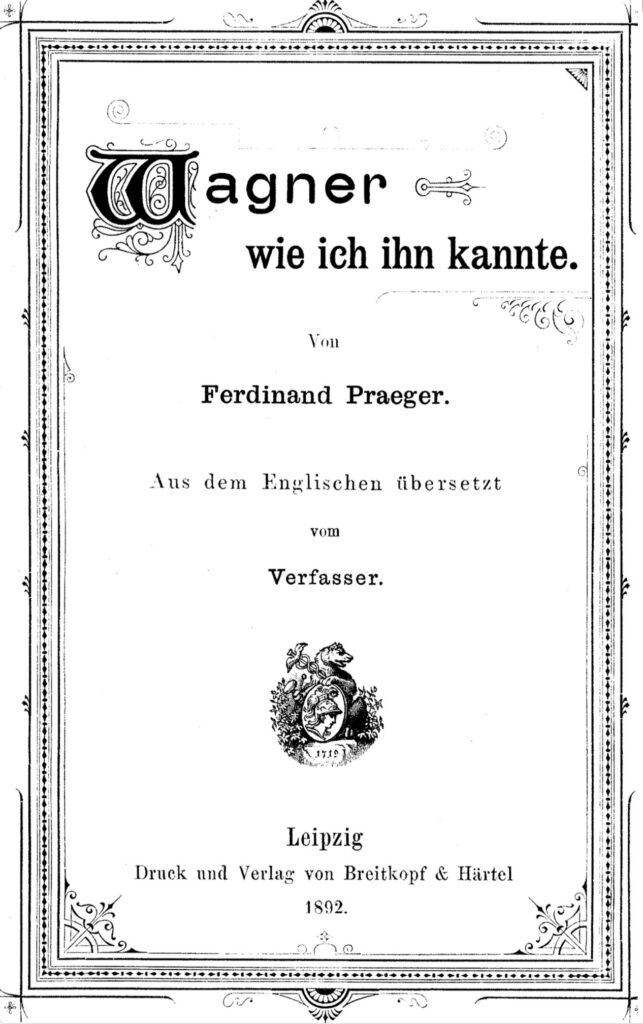
BW-116 – Wagner as I Knew Him (Praeger, Ferdinand) (1892)
BW-116 – Wagner as Man and Artist (Ernest Newman 1924)
BW-117 – Wagner wie ich ihn kannte (Praeger, Ferdinand) (1892)
BW-118 – Wagner’s Ring of the Nibelung (Gustav Kobbé) (1889)
Wagner’s Influence on French Culture
by Don Robertson (2006)
Only a handful of German composers maintained the Wagner mystical tradition, mainly the great Austrian composer Anton Bruckner. The composers Richard Strauss and Gustav Mahler took Wagner’s influence to create a stress-filled anxious kind of music, and this led the introduction of the discordant classical music of the 20th century, initiated by Mahler’s protégé, Arnold Schoenberg.
It was the French that understood Wagner. Not the aristocracy and the institutions: he was a dispised man in the French mainstream. It was the young artists who recognized Wagner and took his work to a new level, through art, poetry and music.
The importance and magnitude of the artistic movement that took place in France during the last decades of the 19th Century cannot be denied. It created a transformation in the evolution of art, poetry and music.
To better grasp what was taking place in France at this time, it is necessary to understand the influence that the music and writings of Richard Wagner had upon many young creative artists living and working in Paris. The first performance of Wagner’s revolutionary work Tannhaüser that took place in Paris in 1861 created such a scandal among the entrenched establishment that another Wagner music drama would not be staged in Paris until 1887 (a performance of Lohengrin directed by Charles Lamoureux, with the help of Vincent d’Indy). Despite the lack of a French Wagnerian staging for twenty-six years, French artists, composers, and poets listened to piano reductions of Wagner’s music and consumed his writings.
The world premiere of Wagner’s fifteen-hour-long ring cycle took place in his new theater in Bayreuth, Germany in August 1876, and a handful of French composers made pilgrimages to this almost holy shrine. Upon returning, they talked and wrote profusely about what had taken place; Saint-Saëns, for example, wrote five articles about the Bayreuth experience and Catulle Mendès three. A few years after, concerts of Wagner’s music began to take place in Paris. Those at the Eden Theater, conducted by Charles Lamoureux, resembled holy services, to which painters like Blanche and Valloton, poets and writers such as Mallarmé and Proust, and many musicians and composers flocked.
By the mid-1880s, the music and thinking of the now-deceased Wagner had ignited nearly the entire intellectual and artistic movement in Paris, including the most distinguished and the most gifted artists, writers, and composers. Some, in addition to attending the Eden Theater concerts, made pilgrimages to Bayreuth. The effect of Wagner’s music was deeply felt. Ravel and Chabrier had similar experiences during performances of the prelude to Tristan und Isolde: the music so moved them that they broke into tears and sobbed. Composer Guillaume Lekeu fainted during an 1889 Bayreuth performance, and Vincent d’Indy broke down and wept while experiencing the death of Siegfied in Götterdamerung.
Wagner’s influence on French music was overwhelming. Testimony to this were Wagnerian-inspired music dramas, including Debussy’s Pelléas et Mélisande, Bruneau’s Le Rêve, Chapentier’s Louise, Reyer’s Sigurd, Chausson’s Le Roi Arthus, and d’Indy’s Fervaal. Additionally, composers such as Franck, Gounod, Lekeu, Bizet, Massenet, Saint-Saëns, Duparc, Fauré, Delibes, and Ravel were all inspired by Wagner, as well as the poets and writers Villiers de l’Isle-Adam, LaForgue (who influenced Eliot and Pound), Valéry, Colette, Dujardin, de Nerval, Gautier, Mallarmé, Proust, Verlaine, Ghil, Baudelaire, Morice, and Vignier. Among painters were Blanche, Valloton, Gauguin, Cézanne, Bazille, Fantin-Latour, Whistler, and Doré.