The DoveSong iUniversity
The Goals and Purpose of the DoveSong iUniversity
In March, 1997, Mary Ellen Bickford and I established our two educational projects DoveSong.com and Musical Kaleidoscope – the fruit of ideas that we had first initiated during 1980. The iUniversity section of DoveSong.com was then announced in November 2011, with publications to be made available beginning in 2012. The goal of the iUniversity is to help create a new direction in classical music by providing study scores based on a technique of color-coding and analysis that I developed to arm the next generation of composers with the tools they will need to create the 21st century’s classical music.”
21st Century – positive music return. youth.
Universitys = rules. This has prevailed.
New system of using colors and the scores
Reprints of important books and documents
Using the internet to educate
Brick-and-Morter Universities can use the iUniversity courseware in conjuction with teaching.
New generation of composers: those of the 20th century.
Reached the end of a cycle when popular music is garbase and the concert halls are being blasted with discord.
As I write this, there is no longer a place to purchase the great classical music recordings from Europe. This is what boarders looks like, one month before it closed in Nashville:
The first publication of the iUniversity is my book “The Scale”.
Why this book is important and how it opens the door to new music.
Old century brough to the end a cycle of classical music that I believe may have started at the beginning of the 15th century, when consonant musical intervals began being used in european classical music, usering in the new harmonic language and the beginning of the renasisance, a rebirth after a century of destruction, just as is taking place now as people realize that we can either watch the sinking ship or create an ark of music to help restore the harmony and dignity that is so needed now.
New century, music based on concord.
AI –
- Purpose: The iUniversity was created as an alternative to modern university music classes that focus on 20th-century discord, aiming instead to promote harmony for 21st-century composers.
- Content: Beginning in 2012, the platform began making volumes available covering the Renaissance, including composers like Lassus, Palestrina, Victoria, and Gabrieli.
- Format: It was designed to have no formal accreditation, courses, or schedules, acting as a resource library for music studies. [1, 2]
– Don Robertson
Three sections to choose from:
Learning from the World’s Greatest Harmonic Traditions
The European Classical Music Tradition
As the 21st Century dawns, a new classical music based on concord and the harmonic laws of nature is emerging. In the Harmony Division, we study the great works of the European harmonic tradition, a repertoire that was created by some of our greatest minds, and then was polluted during the 20th century with the discords of the so-called innovations of “atonality” and serial music. It’s back to the basics now, and time to discover what the greatest music in this tradition was, and how we can learn from it.
Five Composers
Five Periods of Composition Represented by Five Composers
1 – Giovanni da Palestrina and the great composers of Renaissance sacred music. A very, very important harmonic music tradition!
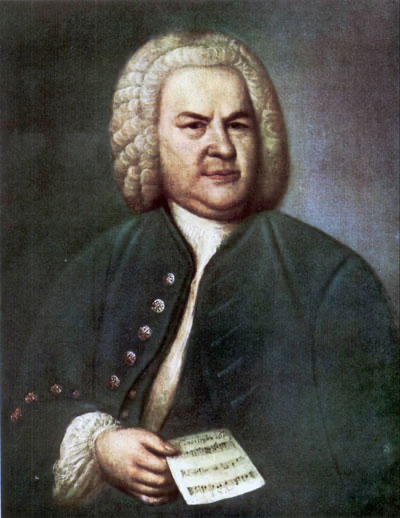
2 – Johann Sebastian Bach – The greatest of all composers – The master of counterpoint and harmony
3 – Ludwig van Beethoven – The master of the great Romantic Era: his predecessors Mozart and Haydn along with the other great composers of the 19th century Romantic Era.
4 – Richard Wagner – The still-misunderstood Master of Music-drama.
5 – César Franck – The angelic music of France’s greatest composer and the work of his students has been in near-complete hibernation during the reign of destructive discords provided by the twentieth century and is awaiting its 21st-century rebirth — when this healing music will be desperately needed.
The Study of Harmony
Learning from the Masters
The European harmonic tradition began a thousand years ago and developed century-by-century, enhanced by the greatest musical minds of Western classical culture. The harmonic idiom was not fully explored by other cultures, which developed melody and rhythm instead.
During the 20th century, the European harmonic tradition evaporated into discord and noise as greed systematically began destroying nature, art, and finance. The 21st century has a new agenda! The discords of 20th century music will fade away as the young composers of tomorrow turn instead to concord and to the great music given to us by the musical masters who have left us with their blueprints: their printed musical scores. These, instead of textbook rules, will now – thanks to 21st-century digital distribution technology – provide the tools for the classical music of the 21st Century.
Section One
The Sacred Music of the 15th Century
asdfasdfasdfasdflse cares about this music”), I was able to take volumes of rare music out asdf this mfe day re-publishing this rare music.
Scores
ML-001 – Sacred Music of the 15th Century – Volume 1 (158 pages)
Binchois, Dufay, Isaac
ML-002 – Sacred Music of the 15th Century – Volume 2 (186 pages)
Obrecht, Ockeghem, des Prez
ML-003 – Masses of the 15th Century – Volume 1 (205 pages)
Dufay, Isaac, des Prez
ML-004 – Masses of the 15th Century – Volume 2 (215 pages)
Obrecht, Ockeghem
Book Reprints
LB-001 Dufay and his Contemporaries, by J. F. R. Stainer and C. Stainer (1898)
LB-002 Great Religious Composers – Johannes Ockeghem, by Ernst Krenek (1953)
Section Two
The Sacred Music of the Renaissance
The sacred music of the 16th Century is among the most important music created in Europe during any period. It is from the works of the masters of the Renaissance that we can learn to create music based on pure, harmonic concord. When I first discovered this amazing music in 1971, I set out on a personal course of discovery. Supported by the music librarian at a large state university (who told me “No one else cares about this music”), I was able to take volumes of rare music out of the library to a friend’s office, where I copied hundreds of pages every week. I then began transcribing this music from its archaic notation into modern “closed staff” notation, with the intention of one day re-publishing this rare music.
I was discovering music of astounding beauty… music that had been forgotten in a world each day growing more accepting of discords, noise, over emphasis on rhythmic beat, and ugliness as a fashion statement. I continued creating my transcriptions of this extremely important music, but without any real hope of publishing, as during those days, getting music out into the world in book form was an expensive and complex task. I continued with this project until the end of the 20th century. Now, with internet publishing a reality, all my work will not have been in vain.
Scores and Study Scores (2011 Series)
Page One
The Last Page
MC-001 – The Glory of the Renaissance – Music by Lassus, Gallus, Victoria, Palestrina and Gabrieli
MC-002 – The Music of Tomas Luis de Victoria – Hymns, motets and sequences
MC-003 – Masterworks of Josquin des Pres – Six motets including the seven-part “Vultum tuum”
MC-004 – Ave Maria – Music dedicated to Mary. Gregorian chant and polyphony
MC-005 – Music for Holy Week – Great music by Palestrina and Victoria
MC-006 – Sacred Music for Good Friday – Palestrina setting of Afternoon service plus Viadana, Victoria.
MC-007 – The Divine Office – Vespers and compline in falsobordon style
MC-008 – Analyzing Renaissance Sacred Music – Multi-color outlining shows melodic techniques
MC-009 – Masterworks of Renaissance Choral Music – Volume 1 – Palestrina, Gallus, Josquin & Gabrielli
MC-010 – Masterworks of Renaissance Choral Music – Volume 2 – Music of Tomas Luis de Victoria
MC-011 – Sixteen Palestrina Offertories – Multi-color outlining shows melodic techniques
Scores (2016 Series)
Motets, Litanies, Psalms, and Sacred Madrigals
MC-001 – The Song of Songs (140 Pages)
Palestrina, Lasso, Victoria
MC-002 – Sacred Madrigals (180 Pages)
Palestrina, Lasso
MC-003 – The Palestrina Offertories (270 Pages)
MC-004 – The Litany Book (325 Pages)
MC-005 – Three- and Four-Part Motets (264 Pages)
Josquin, Non Papa, Aichinger, Hassler,
Tallis, Byrd, Viadana, Palestrina, Nanino,
Ingegneri, Lasso, Gallus, Morales, Victoria,
MC-006 – Five-Part Motets (315 Pages)
Josquin, Gombert, Hassler, Non Pata, Tallis,
Byrd, Gallus, Palestrina, Morales, Victoria,
Lasso, Gesualdo
MC-007 – Six- and Seven-Part Motets (180 Pages)
Josquin, Morales, Gallus, Palestrina, Lassus,
Byrd, Victoria, Palestrina
MC-008 – Sacred Music for Multiple Choirs Volume 1 (240 pages)
Gallus, Aichinger, Hassler, de Mone, Nanino,
Bassano
MC-009 – Sacred Music for Multiple Choirs Volume 2 (210 pages)
Giovanni da Palestrina
MC-010 – Sacred Music for Multiple Choirs Volume 3 (235 pages)
Hassler, Ingegneri, Gallus, Victoria, Gabrieli,
Striggio
Vespers and Compline Services
MC-101 – Volume 1 – The Divine Office Falsobourdone Style (320 Pages)
Victoria, Lasso, Tallis, Josquin, Lasso, Zachariis,
Gastoldi, Viadana, Antegnati, Demantius, Anon,
Hassler, Gabrieli, Palestrina
MC-102 – Volume 2 – The Psalmody Book Part One – Tones 1-5 (205 pages)
Bernabei, Zachariis, Viadana, Victoria, Lasso,
Ortiz, Anon, Turino, Guerrero, Nanino, Anerio
MC-103 – Volume 3 – The Psalmody Book Part Two – Tones 6-9 (215 Pages)
Bernabei, Zachariis, Viadana, Victoria, Lasso,
Ortiz, Anon, Turino, Guerrero, Nanino, Anerio
MC-104 – Volume 4 – Vesper Psalms – Full Settings (210 Pages)
Pitoni, Victoria, Lasso, Nanino, Anon, Giovanneli,
Willaert, Palestrina, Hassler, Fux, Asola, Gabrieli,
Benevoli
MC-105 – Volume 5 – The Magnificat Book – Tones 1 and 2 (225 Pages approx)
Palestrina, Agricola, Fevin, Morales, Bernardi,
Palestrina, Lasso, Viadana, Non Papa, Victoria,
Soriano, Gombert, Anerio
MC-106 – Volume 6 – The Magnificat Book – Tones 3, 4 and 5 (214 Pages approx)
Palestrina, Soriano, Morales, Victoria, Lasso,
Croce, Soriano, Ortiz, Hassler, Festa
MC-107 – Volume 7 – The Magnificat Book – Tones 6, 7 and 8 (212 Pages approx)
Victoria, Soriano, Gombert, Lasso, Festa,
Palestrina, Viadana, Marenzio, Morales,
Soriano, Hassler
MC-108 – Volume 8 – Twelve Gregorian Hymns with Alternating Polyphonic settings Part 1 (230 Pages)
Palestrina, Victoria, Lasso, Asola, Ortiz, Josquin,
Guererro, Soriano, Anerio, Hassler, Byrd, Maijor,
MC-109 – Volume 9 – Twelve Gregorian Hymns with Alternating Polyphonic settings Part 2 (240 Pages)
Agricola, Palestrina, Victoria, Guererro, Lasso,
Carpentras, Byrd, Vecchi, Anon, Asola
MC-110 – Volume 10 – The Four Marian Antiphons Part 1 (230 pages)
Aichinger, Josquin, Anerio, Guerrero, Byrd,
Bernabei, Morales, Palestrina, Porta, Soriano,
Lasso, Gombert
MC-111 – Volume 11 – The Four Marian Antiphons Part 2 (350 Pages)
Willaert, Byrd, Aichinger, Guerrero, Morales,
Anerio, Gombert, Ortiz, Palestrina, Soriano,
Porta, Lasso, White, Victoria, Josquin, Gabrieli,
Bassano, Fux
The Mass
Page One
Page One
MC-201 – Volume 1 – Masses in Four Parts (240 Pages)
Josquin, Morales, Palestrina, Byrd. Lasso,
Victoria, Hassler
MC-202 – Volume 2 – Masses in Five and Six Parts (200 pages)
Lasso, Gallus, Palestrina, Victoria
MC-203 – Volume 3 – Six Great Six-Part Masses by Palestrina (200 Pages)
MC-204 – Volume 4 – The Requiem Mass (220 Pages)
Morales, Victoria, Lasso, Asola, Palestrina,
Bernardi
MC-205 – Volume 5 – Multiple Choir Masses (260 pages)
Gallus, Gabrieli, Victoria, Palestrina
Holy Week
Page One
MC-301 – Holy Week Volume 1 – Palm Sunday (360 Pages)
Victoria, Palestrina, Lasso, Zachariis, Turino,
Viadana (full services include chant)
MC-302 – Holy Week Volume 2 – Maundy Thursday and Holy Saturday Matins (300 Pages)
Palestrina, Lasso, Viadana, Victoria, Gallus,
Anerio, Gesualdo (full services include chant)
MC-303 – Holy Week Volume 3 – Good Friday Matins and Afternoon Service (320 Pages)
Asola, Victoria, Palestrina, Allegri, Pitoni,
Viadana (full services include chant)
MC-304 – Holy Week Volume 4 – Maundy Thursday Lamentations plus Miserere Settings (300+ Pages)
White, Gallus, Palestrina, Lasso, Victoria,
Allegri, Dentrice, Nanino, Viadana, Festa,
Turini (full services include chant)
MC-305 – Holy Week Volume 5 – Good Friday and Holy Saturday Lamentations (360 Pages)
Gallus, Palestrina, Lasso, Victoria, Byrd,
Nanino (full services include chant)
MC-306 – Holy Week Volume 6 – Lamentations from the First Half of the 16th Century (230 Pages)
Penalosa, Fevin, Carpentras, Tallis, Morales
MC-307 – Holy Week Volume 7 – Lamentations for Non-Specified Days plus Music for Easter (342 Pages)
Tinctoris, Agricola, Festa, Morales, Arcadelt,
Gallus, Victoria, Lasso, Byrd Josquin, Palestrina,
Viadana (Easter service includes the chant)
MC-308 – Holy Week Volume 8 – Holy Week Settings (ca. 300 Pages)
Gallus, de la Rue, Soriano, Palestrina, Victoria,
Bernabei, Lasso, Agostini, Aichinger, Anerio,
Anon, Asola Non Papa, Rosselli, Ruffo, Viadana,
Nanino, Trombetti, Venturi, Asola, Comes,
Villanueva
MC-309 – Holy Week Volume 9 – Responsories (270 Pages)
Gregorian Chant, Croce, Ingegneri, Lasso, Viadana, Victoria, Zoilo, Ferraro, Pacchioni, Anon, Weerbeke, Aretino, Baroltius, Presenti, Gallus, Gesualdo
Matins
Page One
Page One
MC-401 – Christmas Matins with Both Polyphonic and Chant (200 Pages)
Gregorian Chant, Gombert, Nanino, Porta, Lasso,
Anon, Palestrina, Victoria, Asola, Gabrieli,
Bassano, Guerrero, Hassler, Morales, Aichinger,
Anerio
Study Scores
Study Scores in Closed Notation
MX-001 – Study Scores in Closed Notation (240 pages)
Gregorian Chant, Palestrina, Anerio, Lasso,
Victoria, Palestrina, Josquin, Viadana, Zoilo,
Gallus, Gabrieli
Analyzing Renaissance Sacred Music
MX-002 – Analyzing Renaissance Sacred Music
Palestrina, Josquin, Victoria, Willaert
Analyzing Sixteen Offertories - Chant and Palestrina
MX-003 – Analyzing Sixteen Offertories
Book Reprints (2016 Series)
BC-001 – Counterpoint – The Polyphonic Vocal Style of the Sixteen Century by Knud Jeppesen
BC-002 – Merritt – 16th Century Polyphony
BC-003 – The Holy Week Book
BC-004 – Casimiri, Raffaele – Giovanni Pierluigi da Palestrina
BC-005 – Carolus Proeske – Musica Divina
Section Three
Music Treasures from the 17th Century – The Lost Century
Italy is where the birth of today’s classical music took place. The instruments of the violin family, the brass, the beginnings of what became Western tonal harmony, the terms (concerto, symphony, adagio, piano, forte, allegro, and so on) all this came from Italy. The birth date was 1600.
The seventeenth century has been a lost century, many of its greatest composers unknown even to students of early music. I discovered it during the 1970s when I was studying the music of the 16th century. In fact, I discovered only one score, a psalm by the great Bolognese composer Colonna. Playing through this music on the piano, I realized its great beauty and I began to search for recordings and more scores, only to have to wait until the 1990s, when a single label in Italy (Tactus) and a single publishing company (Garland) made available the works from the great 17th-century Italian music center for the first time. The DoveSong iUniversity intends to help make great 17th century music from Germany, Italy and France available in several published study scores.
The 1600s were ushered in by a group of highly educated noblemen who lived in Florence, Italy who called themselves the Florentine Camarata. In their regularly held meetings they discussed ways whereby they might revive Greek tragedy, and they came up with a new style of music based on the extensive research into ancient Greek dramatic music that had been conducted by Girolamo Mei, an erudite Florentine scholar who lived and worked in Rome. Based on the ideas of the Camarata, Emilio De’Cavalieri wrote the first important dramatic and liturgical works and he and Jacopo Peri wrote the first operas, which were performed in 1600, the first year of the new century.
From these humble beginnings, an all-new style of music was born, a style that moved away from the dominant polychordal choral singing of the previous century to instrumental music, solo singing, and a mixture of all three.
Claudio Monteverdi, who inherited the great tradition of Venice, was the first great composer of the era and the first great opera was his beautiful Orfeo, composed in 1607. By mid-century, the Italian town of Bologna had become a tremendous center of music, and there the full flowering of the 17th Century took place, not only in sacred music, but in instrumental music as well.
Scores
Instrumental Music
MI-001 – Instrumental Music in the 17th Century Volume 1 (230 Pages)
Viadana, Cazzati
MI-002 – Instrumental Music in the 17th Century Volume 2 (185 Pages)
Stradella, Vitali, Gabrieli, Cazzati, Pachelbel
Sacred Music from Italy
MB-001 – Emilio de’ Cavalieri – Lamentations (125 pages)
MB-002 – Sacred Music of Lodovico da Viadana (210 pages)
MB-003 – Lodovico da Viadana – Vespers for Four Choirs (180 Pages)
MB-004 – Claudio Monteverdi Vocal and Choral Music (300 pages)
MB-005 – Claudio Monteverdi – Vespers of 1610
MB-006 – Sacred Music from 17th Century Italy Volume 1 (250 pages)
Stradella, Turini, Fattorini, Rigatti,
Conforti, Anerio, Benevoli,
Tardidi, Agostini, Bernardi
MB-007 – Sacred Music from 17th Century Italy Volume 2 (230 pages)
Vitali, Pitoni, Donati
MB-008 – Sacred Music from 17th Century Italy Volume 3 (250 pages)
Grandi, Carissimi, Allegri,
Gabrieli, Rovetta
MB-009 – Maurizio Cazzati – Sacred Music (210 pages)
MB-010 – Maurizio Cazzati – Masses a4 and a5 (160 pages)
MB-011 – Giovanni Paolo Colonna – Sacred Choral Music (334 pages)
MB-012 – Giovanni Paolo Colonna – Vespers Op. 112 Volume 1 (257 pages)
MB-013 – Giovanni Paolo Colonna – Vespers Op. 112 Volume 2 (228 pages)
MB-014 – Sacred Choral Music of Francesco Cavalli (285 pages)
MB-015 – Giovanni Paolo Colonna – Two Masses (225 pages)
Sacred Music from Germany
MB-016 – German Sacred Choral Music Volume 2 (234 pages)
Krieger, Theile, Förster, Weckmann
MB-017 – German Sacred Choral Music Volume 2 (230 pages)
Geist, Bernhard, Förtsch, Schelle, Bruhns,
Strungk, Pfleger
MB-018 – German Sacred Choral Music Volume 3 (160 pages)
Schütz, Scheidt
MB-019 – Dieterich Buxtehude – Sacred Choral Music (300 pages)
Sacred Music from France
MB-020 – Sacred Music from 17th Century France Volume 1 (200 pages)
Desmarets, Gilles, de Brossard
MB-021 – Sacred Music from 17th Century France Volume 2 (206 pages)
MB-022 – Sacred Music of Michel-Richard Delalande (242 pages)
MB-023 – Sacred Music of Marc-Antoine Chapentier Volume 1 (305 pages)
MB-024 – Sacred Music of Marc-Antoine Chapentier Volume 2 (310 pages)
MB-025 – Holy Week Music of Marc-Antoine Chapentier (315 pages)
Multiple Choirs and Marian Antiphons
MB-026 – Italian Sacred Music for Two Choirs (280 pages)
Bertali, Carissimi, Cavalli, Grandi, Monteverdi
MB-027 – The Four Marian Antiphons (240 pages)
Charpentier, Rigatti, Stradella, Cavalli,
Charpentier, Grandi, Rovetta, Anerio, Turini,
Viadana
MB-028 – Sacred Music for Multiple Choirs (170 pages)
Gabrieli, Benevoli
Book Reprints
BV-001 – A Companion to the Thorough-Bass Primer (Burrowes, John Freckleton)
BV-002 – Beispiele zum Generalbass (Vanhal, Johann Baptist)
BV-003 – Practical Thorough Bass (Crotch, William)
BV-004 – Giovanni Maria Bononcini of Modena, by William Klenz (1962)
BV-005 – Exercises in Figured Bass and Melody Harmonisation, by James Lyon – Volumes 1 and 2
Visit “The 17th Century – The Forgotten Century” – – >
Visit “Great 17th Century Sacred Music” – Musical Kaleidoscope on YouTube – – >
Section Four
The Great String Era (1680-1750)
The Great Italian 18th Century String Era
Lorem ipsum dolor sit amet, consectetur adipiscing elit. Ut elit tellus, luctus nec ullamcorper mattis, pulvinar dapibus leo.
IT BEGAN IN THE 17th bolognese school. Torelli.
Context regarding Op. 6 in Bologna
While Torelli is heavily associated with the Bolognese school and the basilica of San Petronio, his Op. 6 (Concerti musicali) was actually published in Augsburg, Germany, in 1698 during his tenure at the court of Brandenburg-Ansbach. These twelve concerti are considered transitional works between the contrapuntal trio sonata and the ritornello-driven concerto, marking them as important, though not as “Bolognese” in origin as his trumpet sonatas or his later Op. 8.
- Structure of the Concerto: Torelli’s experimentation with form, especially in his Opus 8 (published 1709), provided a model of three movements (fast-slow-fast) that influenced the evolution of the concerto grosso and solo concerto, which Corelli popularized.
- Melodic Clarity: Torelli moved away from dense polyphony, favoring clear, melodic lines and regular cadences, a style that aligned with the emerging Baroque preference for melodic focus.
- Synthesis of Style: Corelli’s works in Rome synthesized various Italian styles, including the Bolognese school—to which Torelli belonged—known for its technical and expressive violin writing.
- Parallel Development: Both composers were key in defining the concerto grosso (dialogue between concertino and ripieno), with their works often studied in tandem as the foundation of the genre. Reddit +4
- Composition Period: While the exact dates vary, they were written over a long period, likely beginning in the 1680s and finalized by the early 1690s.
- Performance/Publication: Although composed around 1690, they were not published until 1714, a year after Corelli’s death in 1713.
- Significance: The collection, commissioned by Cardinal Pietro Ottoboni, includes 8 concerti da chiesa (church) and 4 concerti da camera (chamber).
- “Christmas Concerto”: No. 8 in G minor (the “Christmas Concerto”) was specifically created for performances on Christmas Eve, with records of it being performed around 1690.
Scores
Op. 3, No. 4 - Page One
"The Christmas Concerto" - Page 1
ME-001 – The Great String era – Concerti Grossi – Volume 1 (232 pages)
Christmas concerti, Torelli, Gregori, Corelli,
Mascitti, Scarlatti
ME-002 – The Great String era – Concerti Grossi – Volume 2 (265 pages)
Geminiani, Locatelli, Manfredini, Handel
ME-003 – The Great String era – Sonate a Tre
Torelli, Corelli, Locatelli, Caldara.
Tesserini
ME-004 – The Great String era – Sinfonie and Sonate per Solo (250 pages)
Albinoni, Brescianello, Pergolesi, Stradella,
Vivaldi, Locatelli, Mascitti, Corelli, Caldara
ME-005 – The Great String era – Concerti (260 pages)
Albinoni, Cattameo, Dall’Oglio, Durante, Guido,
J.S. Bach, Locatelli, Marcello, Pergolesi, Pez,
Pisendel, Tartini, Vivali
Study Scores
MJ-004 – Great String Era Concerto Study (210 Pages)
Torelli, Geminiani, Vivaldi
MJ-005 Arcangelo Corelli Opus 1 with fugues marked (80 pages)
Visit “The Great String Music Era” playlist on Musical Kaleidoscope YouTube – – >